Used Car Prices 2026: Key Factors and Negotiation Strategies for Buyers and Sellers
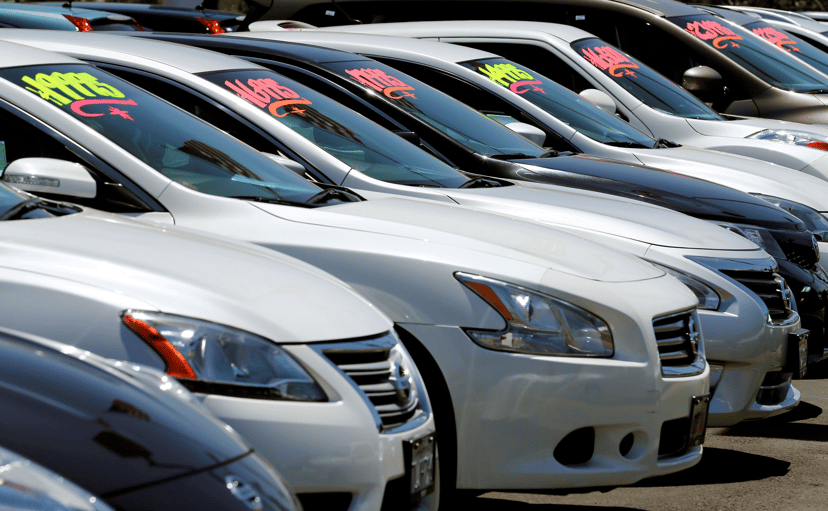
(Photo credit: CNBC)
The used car market in 2026 has undergone significant shifts. Following the aggressive "Price Wars" in the new electric vehicle (EV) sector, the pricing structure for used internal combustion engine (ICE) cars and hybrids has become more volatile. Understanding what truly drives value today is essential for anyone looking to buy or sell.
Whether you are a seller aiming for the best return or a buyer looking for a fair deal, this guide breaks down the critical factors affecting car prices and provides negotiation strategies to give you the upper hand.
Part 1: Factors Influencing Used Car Prices in 2026
Beyond the standard criteria of "Year, Make, and Model," the 2026 market places heavy emphasis on the following four factors:
1. The "New Car Price" Correlation
This is the most immediate factor. If a manufacturer slashes the price of a new model by 100,000 THB (a common trend among EV brands recently), the used market value of that specific model drops proportionately overnight.
- Impact: Used cars are no longer priced solely on depreciation curves; they are capped by the current price of their new counterparts.
2. Warranty and Battery Health (For EVs/Hybrids)
As more electrified vehicles enter the used market, the "Remaining Warranty" has become a primary price driver.
- The Factor: A used EV with 7 years of battery warranty remaining commands a significantly higher price than one with only 2 years left. Buyers are calculating the potential replacement cost (often exceeding 200,000 THB) into the purchase price.
3. Financing Accessibility
Vehicle age dictates loan approval.
- The Threshold: Cars aged 1-7 years are easy to finance with standard interest rates.
- The Drop: Cars aged 10+ years face a sharp decline in value because banks often refuse loans or charge high interest rates. This limits the buyer pool to "Cash Buyers" only, forcing sellers to lower prices to compete.
4. Service History (The Paper Trail)
In an era of complex electronics, a "Full Service History" (stamped by official dealers) is worth tangible money.
- Impact: A car with verifiable records can sell for 5-10% more than a car with no history, even if they look identical. It proves the odometer hasn't been tampered with—a rampant issue in the used market.
Part 2: Negotiation Strategies
For Sellers: How to Defend Your Price
To avoid being lowballed by dealers or private buyers, preparation is key.
- Differentiate "Ask" vs. "Trade" Prices: Do not base your expectations on the prices you see on listing websites (Asking Price). Realize that the actual trading price is typically 15-20% lower than listed prices.
- Highlight Recent Maintenance: Instead of saying "good condition," provide receipts. "I just replaced the tires and battery last month, costing 15,000 THB." This is hard evidence that justifies your price.
- Sell the "Peace of Mind": If your car has a valid Class 1 insurance policy or remaining warranty, emphasize this. It saves the buyer immediate costs.
For Buyers: How to Negotiate Lower
- Use the "Repairs" Leverage: Never negotiate based on feeling. Inspect the car and list necessary repairs (e.g., worn tires, scratched bumper, upcoming 100,000 km major service). Deduct these estimated costs from the asking price.
- The "Cash" Advantage: If you are buying an older car, offering a lump sum cash payment can often secure a heavy discount, as it saves the seller the hassle of dealing with finance processing.
- Check Market Saturation: If there are 50 listings of the same model (e.g., a standard white pickup truck), use this supply surplus to negotiate. Remind the seller that they have plenty of competition.
Conclusion
In 2026, information is power. The used car market is no longer just about the condition of the metal; it is about warranty status, financing rules, and market supply.
Unsure of your car's true market value? Guesswork can lead to financial loss. Motorist Thailand utilizes real-time transaction data to provide accurate vehicle valuations. We connect sellers with a network of certified dealers to ensure a fair price based on current market conditions, not outdated estimates.
Reference Sources
- Depreciation Trends: Headlightmag (New Car Pricing Updates).
- Financing Regulations: Bank of Thailand (BoT) - Auto Loan Guidelines.
Claim your free car valuation today!
Read More: Sell your car for the highest price in 24 hours
Looking for a car appraisal? You can contact us for a free car valuation within 24 hours…