Should you keep or sell a car that you rarely drive?
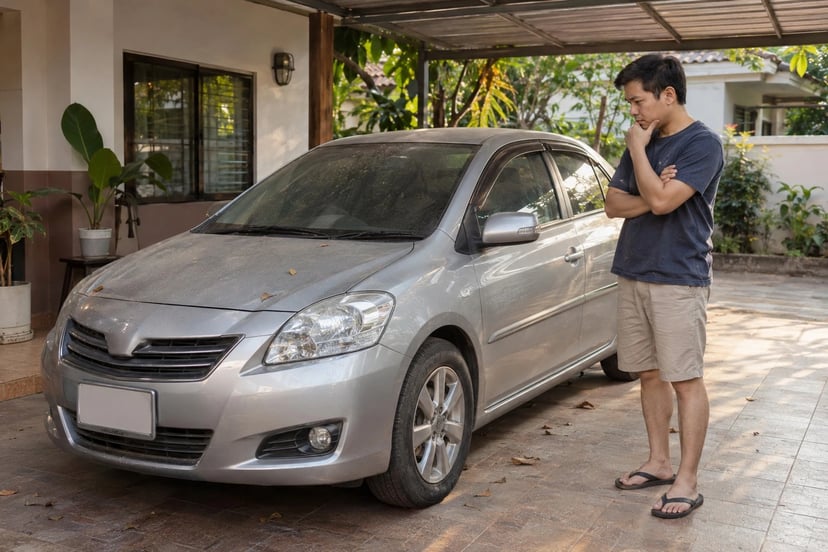
A car that was once used for daily commuting may end up sitting at home for almost the entire month. This often happens when people switch to working from home or have access to more convenient transportation options. As a result, many car owners begin to wonder whether they should keep their vehicle for emergencies or sell it to reduce expenses. Even when a car is not being driven, there are still ongoing costs that owners need to pay almost every month.
However, deciding whether to sell a used car should not depend solely on how often you drive it. You should also consider your future needs, ongoing ownership costs and alternative transportation options if you no longer have a car. This article will help you understand when keeping your car makes sense and when selling it may be the more worthwhile option.
Key Takeaways
- Even if your car is parked most of the time, you still need to pay for insurance, road tax, maintenance and potential depreciation.
- Your decision should be based on a comparison between ownership costs and alternative transportation expenses, as well as the convenience of having a car when needed.
- Cars that remain unused for long periods may develop battery, tyre and brake problems, so regular maintenance should not be neglected.
- If you plan to use your car regularly again or need it for emergencies, keeping it may still be the better option.
- Before selling, check your car's estimated market value, outstanding loan balance and the actual amount you will receive after settling any remaining debt.
Table of Contents
- Why Does a Car That Sits More Than It Drives Still Cost Money?
- Calculate Your Ownership Costs Before Deciding Whether to Keep or Sell Your Car
- When Should You Keep Your Car?
- Signs That It May Be Time to Sell Your Used Car
- How Should You Prepare If You Decide to Sell Your Car?
- A Car That Is Rarely Used May Be Worth Considering for Resale
- Frequently Asked Questions (FAQs)
Why Does a Car That Sits More Than It Drives Still Cost Money?
Even if you rarely use your car, you are still responsible for various expenses, including insurance premiums, annual road tax and maintenance costs. Leaving a car parked for extended periods may also affect the condition of its battery, tyres and braking system. Meanwhile, the vehicle's market value may change depending on its age and market demand.
Therefore, if you are considering selling your used car, you should compare the cost of keeping it with your actual transportation needs to make a more financially worthwhile decision.
Calculate Your Ownership Costs Before Deciding Whether to Keep or Sell Your Car
One way to make a clearer decision is to calculate your total car ownership expenses over the past 12 months. Separate the costs that you must pay regardless of whether you use the car from those that only occur when you drive. Then compare these expenses with alternative transportation options that could replace your personal vehicle.
Here is how you can calculate the costs.
Expenses You Still Have to Pay Even When You Do Not Drive
These expenses include car insurance, road tax, monthly parking fees and scheduled maintenance. If you are still paying off your car loan, your monthly instalments are also a financial commitment that you need to account for.
However, when calculating the actual cost of ownership, you should distinguish between the principal portion of your loan repayment and the interest or other actual expenses to avoid double-counting costs.
Driving Expenses and Potential Depreciation
Fuel, toll charges, destination parking fees and vehicle wear and tear depend on how frequently you use your car.
Depreciation is another cost to consider. You should compare your car's estimated current market value with its potential selling price in the future. However, remember that future vehicle prices cannot be predicted with complete certainty.
Alternative Transportation Costs If You Do Not Own a Car
Start by counting the actual number of days you need to travel. Then calculate the costs of alternative transportation, such as taxis, trains, daily car rentals or ride-hailing services.
You should also consider travel time. If you regularly need to transport elderly family members or children, convenience and emergency accessibility should also be taken into account rather than choosing an option based solely on price.
For example, if your car has total fixed expenses of THB 24,000 per year but is only used twice a month, the average fixed cost would be THB 1,000 per trip. This does not include fuel expenses or potential depreciation.
This figure does not mean you should immediately sell your car. Instead, it helps you understand how much you are paying to maintain the convenience of having a personal vehicle.
When Should You Keep Your Car?
Even if you do not drive frequently, owning a personal vehicle can still be beneficial in certain situations, especially when alternative transportation options cannot fully meet your needs.
You may want to consider keeping your car if:
- You regularly need to transport family members or may need to travel to the hospital in an emergency.
- Your home or workplace is located in an area with limited public transportation access or where ride-hailing services are not readily available.
- You are planning to move, change jobs or return to regular driving within the next few months.
- Your car is fully paid off, you have suitable parking and the maintenance costs are manageable.
If several of these situations apply to you, keeping your car may still be worthwhile in terms of convenience. However, you should establish a proper maintenance routine for a vehicle that remains parked for long periods and regularly reassess whether you still need it.
Signs That It May Be Time to Sell Your Used Car
If your car has not been used regularly for several months and you have no plans to drive it frequently again, continuing to own it may create more expenses than benefits. This is especially true if you already have access to alternative transportation options that meet your daily needs.
Another warning sign is when your car starts requiring major repairs despite being rarely used, or when monthly instalments begin affecting your financial situation.
However, if your car is still under financing, you should check the outstanding settlement amount first. The selling price of your used car may not be sufficient to cover the remaining loan balance.
Do not make your decision based solely on the feeling that it would be a waste to let your car sit unused. Instead, compare the costs of keeping your vehicle with the potential expenses of having to purchase another car if you need one again in the near future.
How Should You Prepare If You Decide to Sell Your Car?
Before contacting used car buyers, make sure your vehicle information and documents are ready. This is particularly important for cars that have been parked for a long time, as their current condition may differ from when they were last driven.
Here are some important things to check:
- Check your vehicle registration book, ownership status and outstanding loan settlement amount if your car is still under financing.
- Inspect the battery, tyres, brakes and vehicle fluids according to the manufacturer's recommendations before driving the car again.
- Gather your maintenance and repair records, take photographs of all sides of the vehicle and disclose any existing defects or problems honestly.
- Request quotations from multiple car buyers and check their payment terms, vehicle inspection requirements and ownership transfer procedures.
Comparing different offers will give you a clearer understanding of your car's market value. There is no need to rush into accepting the first offer you receive.

A Car That Is Rarely Used May Be Worth Considering for Resale
A car that spends more time parked than being driven does not necessarily need to be sold. If you still need it for situations where travelling is difficult or have plans to use it regularly again, keeping it may be a reasonable decision.
However, if your car no longer plays an important role in your daily life and continues to generate ongoing expenses, selling it may help reduce your financial burden and allow you to use the money for other essential needs.
If you are considering selling your used car, you can check its estimated value through Motorist Thailand to help you make an informed decision. You should also review the vehicle inspection requirements, payment arrangements and ownership transfer procedures before agreeing to the sale.
Frequently Asked Questions (FAQs)
1. Can a car that has been parked for a long time but has low mileage still sell for a good price?
A car with low mileage may have an advantage when selling. However, its price still depends on the vehicle's age, engine condition, maintenance history and demand in the used car market.
2. Does a car that has not been used for a long time need to be inspected before selling?
Yes. You should check the battery, tyres, brakes and other essential systems before driving the vehicle again. You should also disclose the car's actual condition so that the buyer can provide an appropriate valuation.
3. Can I sell a car that I am still paying off but rarely use?
Yes. However, you must first check the outstanding settlement amount with your finance company and complete the required loan settlement and ownership transfer procedures.
Thinking about selling your used car? Do not let a vehicle you rarely use continue generating unnecessary expenses. Check your car's estimated value with Motorist Thailand and compare your options before making your decision.
Want a car valuation? Contact us to get a free car valuation within 24 hours…