How to Care for a Car After Flooding: A Complete Emergency Guide
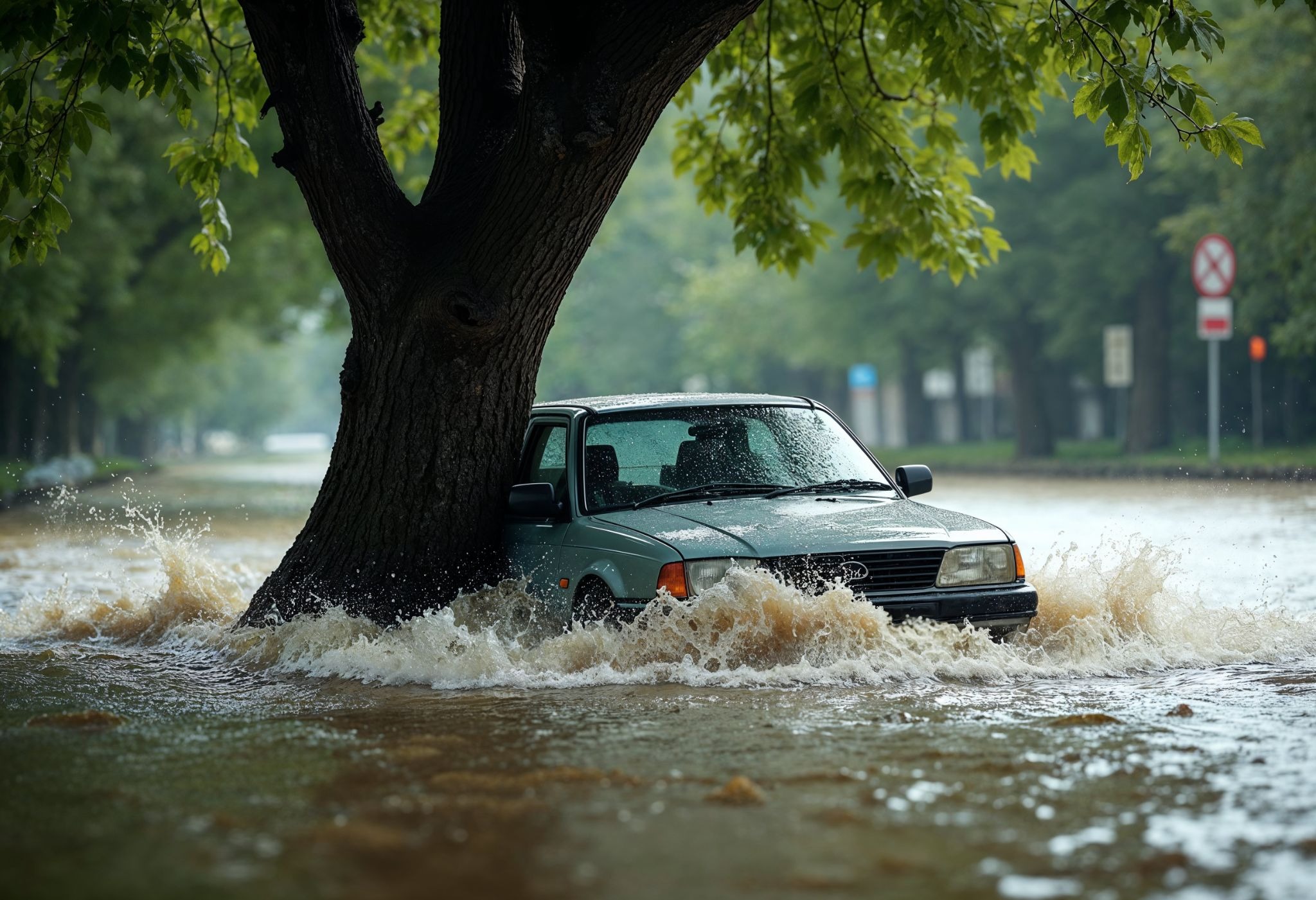
(Photo credit: freepik)
When flooding occurs, vehicles often suffer significant damage. Knowing how to care for a car after flooding is a critical step that will help your vehicle return to safe and functional condition. This comprehensive guide will walk you through caring for a flooded car, from initial damage assessment through repairs and insurance claims. Following these steps will help minimize damage and get your vehicle back on the road safely.
Initial Damage Assessment
When your car has passed through a flooded area, the first step is to assess the damage. Do not attempt to start the engine immediately, as this can cause additional damage.
What to Check:
- The water level that reached inside the vehicle
- Condition of seats and floor mats
- Engine bay and engine condition
- Lighting system and electrical components
- Unusual odors or contamination
Important: If the water level reached above the dashboard or if you're unsure about the extent of damage, do not attempt to drive the vehicle. Call for professional assistance instead.
How to Care for a Car After Flooding: Proper Drying and Cleaning
Cut Power to Prevent Electrical Damage
Disconnect the battery immediately to prevent electrical short circuits and fire hazards. Do not turn on the air conditioning, radio, or any other electrical equipment before removing water.
Drain Water Properly
- Open all doors and windows to allow air circulation
- Remove water from inside the car using a wet vacuum
- Locate and open the drain plugs on the vehicle floor to remove standing water
- Use fans and air blowers to help remove moisture
- Leave doors open for several hours or overnight for air circulation
Clean Thoroughly
- Wipe down seats and floor with absorbent cloth
- Use a wet-dry vacuum for comprehensive water removal
- Clean corners and crevices carefully
- Wipe each seat individually with clean water
- Remove and dispose of water-damaged floor mats
Remove and Dry Interior Components
- Take out floor mats and hang them to dry
- Remove seat covers if possible and air dry separately
- Extract removable interior panels to allow air circulation
- Leave doors and windows open for at least 24-48 hours
Inspecting the Engine After Flooding
Proper engine inspection and care for a car after flooding is especially critical to prevent long-term damage.
Check Engine Oil
- Inspect the engine oil level and appearance
- Look for signs of water contamination (milky or cloudy appearance)
- If water-contaminated, change the engine oil immediately
- Use the correct oil specification for your vehicle
Important: Water in engine oil can cause serious internal engine damage. Always check before attempting to start the engine.
Check Coolant System
- Inspect the condition of coolant fluid
- Look for cloudiness or contamination
- If contaminated, have the cooling system flushed and refilled
- Ensure the radiator has no water ingress
Inspect Battery and Electrical Connections
- Clean corrosion from battery terminals using a wire brush
- Check battery voltage with a multimeter
- If the battery appears weak or damaged, replace it
- Inspect all visible wiring for damage or corrosion
Check Air Filter and Intake
- Inspect the air filter for water damage
- Check the intake manifold for water intrusion
- If water is present, the air filter must be replaced
- Do not attempt to start the engine with a water-damaged air filter
What NOT to Do When Caring for a Flooded Car
- Do NOT start the engine immediately - This can cause hydrolock and severe engine damage
- Do NOT use high heat to dry the vehicle - Risk of fire or component damage
- Do NOT drive the car before complete inspection - You could cause major engine damage
- Do NOT store the car in a humid environment without proper drying - Mold and rust will develop
When to Take Your Car to a Repair Shop
If your car exhibits any of the following problems, take it to a professional repair facility immediately:
- Engine won't start or runs poorly
- Electrical system failures (lights, wipers, windows not working)
- Unusual or burning smells
- Extensive interior water damage
- Major component damage requiring replacement
- Any signs of short circuits or electrical hazards
Filing an Insurance Claim for Flood Damage
Check Your Insurance Coverage
Verify what your insurance policy covers regarding flood damage. Typically:
- Comprehensive coverage - Usually covers flood damage
- Third-party coverage - Often does NOT cover flood damage
- Limited or basic coverage - May not include flood damage
Steps to File a Claim
- Report immediately - Contact your insurance company as soon as possible
- Document the damage - Take detailed photos and videos of all damage
- Gather evidence - Collect receipts, vehicle registration, and maintenance records
- Wait for inspector - Allow the insurance adjuster to assess the damage
- Get repair quotes - Obtain estimates from authorized repair shops
- Submit documentation - Provide all required paperwork to your insurance company
- Receive approval - Wait for claim approval and settlement
Helpful Documentation
- Photos of water level marks in the vehicle
- Receipts for replacement parts and repairs
- Service records from authorized repair shops
- Proof of insurance coverage
- Police or municipal reports of the flooding event
- Witness statements if available
Step-by-Step Repair Process for Flood-Damaged Vehicles
Comprehensive Inspection
Have a professional mechanic inspect:
- All engine components for water intrusion
- Transmission fluid for contamination
- Brake system operation and fluid condition
- Electrical system and wiring
- Suspension components for rust or corrosion
Parts That May Need Replacement
Components Commonly Affected by Flooding:
- Engine oil and filter
- Air filter and cabin air filter
- Spark plugs and ignition system
- Alternator or starter (if water-damaged)
- Electronic control modules
- Interior upholstery and carpeting
- Sound system components
Mechanical Repairs
- Flush and refill all fluid systems (oil, coolant, brake fluid, transmission fluid)
- Replace worn or corroded components
- Repair or replace electrical components as needed
- Address any mechanical issues discovered during inspection
- Test all systems thoroughly before returning the vehicle
Preventing Future Flood Damage
Preparation Measures
- Park in elevated areas during flood season
- Avoid parking near drainage systems or low-lying areas
- Install water sensors in your vehicle if available
- Keep important documents away from the vehicle
- Purchase comprehensive insurance coverage
Emergency Response
- Move your vehicle to higher ground immediately if flooding is predicted
- Never attempt to drive through deep water
- If caught in rising water, abandon the vehicle and seek safety
Regular Maintenance
- Check weather forecasts during flood season
- Keep your vehicle's battery and electrical systems well-maintained
- Ensure proper drainage holes are not blocked
- Store protective covers or tarps for emergency use
Estimated Costs for Flood Damage Repairs
Repair costs vary depending on damage severity:
Minor Water Damage (water to floor level):
- Interior cleaning and drying: $200-$500
- Air filter replacement: $50-$150
- Total: $250-$650
Moderate Water Damage (water to seat level):
- Interior replacement and drying: $1,000-$3,000
- Component replacement: $500-$2,000
- Electrical repairs: $500-$1,500
- Total: $2,000-$6,500
Severe Water Damage (water above seats):
- Comprehensive interior replacement: $3,000-$10,000
- Engine and transmission service: $2,000-$5,000
- Electrical system replacement: $1,000-$3,000
- Total: $6,000-$18,000+
Note: Costs vary by vehicle make, model, and repair shop. Always get multiple quotes.
Timeline for Flood Recovery
Immediate (0-24 hours):
- Remove water and begin drying process
- Disconnect battery
- Document damage with photos
- Contact insurance company
Short-term (1-7 days):
- Complete initial drying
- Have insurance inspector assess damage
- Obtain repair quotes
- Begin claim process
Medium-term (1-4 weeks):
- Perform mechanical repairs
- Replace damaged components
- Complete electrical system repairs
- Conduct testing and quality checks
Long-term (ongoing):
- Monitor vehicle performance
- Watch for delayed problems
- Maintain regular service schedule
- Consider preventive measures for future
Signs of Hidden Flood Damage
Watch for these signs that may appear weeks or months after flooding:
- Electrical intermittent failures - Lights, windows, locks not working consistently
- Unusual rust appearance - Rust under trim or in unexpected locations
- Mold or musty odors - Indicating trapped moisture
- Engine performance issues - Hesitation, misfiring, or rough idling
- Corrosion of mechanical components - Visible rust on metal parts
- Dashboard warning lights - Especially electrical or emissions-related
When to Consider Totaling the Vehicle
In some cases, repair costs may exceed the vehicle's value. Consider if:
- Repair costs exceed 70-80% of the vehicle's book value
- The vehicle has significant structural damage
- Multiple major systems are damaged
- The vehicle was previously damaged
- Your insurance company has classified it as a total loss
Conclusion
Knowing how to care for a car after flooding is essential knowledge for vehicle owners in flood-prone areas. The key steps—immediate water removal, thorough drying, careful engine inspection, and professional repairs—are crucial for bringing your vehicle back to safe, reliable condition. Don't rush the process or overlook any damage assessment steps. The cost of proper restoration now is far less than the cost of major failures later. By following this complete emergency guide, you can minimize damage, ensure safety, and get your vehicle back on the road securely. If you're unsure about any step, always consult with a professional repair facility to avoid causing additional damage to your vehicle.
Claim your free car valuation today!
Read More: Sell your car for the highest price in 24 hours
Looking for a car appraisal? You can contact us for a free car valuation within 24 hours…