Oil Prices in Thailand Surge Sharply: Causes, Impacts, and How to Adapt in 2026
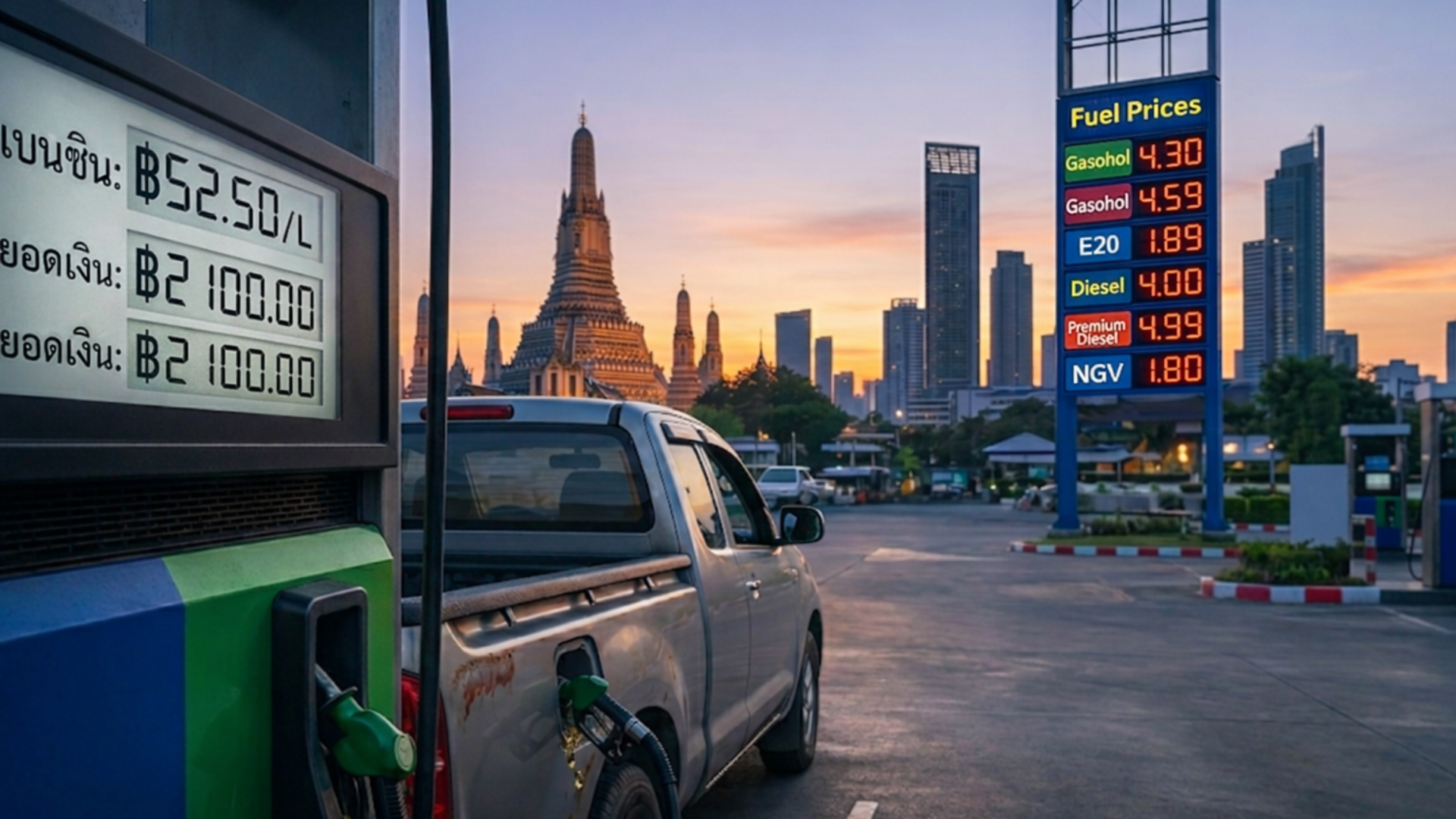
Oil Prices in Thailand Surge Sharply: Causes, Impacts, and How to Adapt in 2026
Thailand’s oil prices have surged significantly throughout 2025–2026, becoming a critical issue affecting households, businesses, and the broader economy. Many are asking: Why are fuel prices rising so rapidly? and What can we do to manage the impact?
Why Are Oil Prices in Thailand Increasing?
1. Rising Global Crude Oil Prices
Thailand relies heavily on imported crude oil, meaning domestic fuel prices are closely tied to global markets. When global oil prices rise due to factors such as:
Geopolitical tensions and conflicts
Production cuts by OPEC+
Increasing global energy demand
…the cost is inevitably passed on to consumers in Thailand.
2. Weak Thai Baht
Currency exchange plays a major role. When the Thai baht weakens against the US dollar, importing oil becomes more expensive—even if global oil prices remain relatively stable. This directly pushes up domestic fuel prices.
3. Taxes and Oil Fund Structure
Fuel prices in Thailand are not based solely on crude oil costs. They also include:
Excise taxes
Value-added tax (VAT)
Contributions to the Oil Fuel Fund
Although the government sometimes intervenes to stabilize prices, fiscal limitations prevent long-term price control.
4. Refining and Transportation Costs
Refinery margins and logistics costs have increased globally. These additional expenses contribute to higher retail fuel prices, especially during periods of supply chain instability.
Economic and Social Impacts
1. Rising Cost of Living
Higher fuel prices increase transportation costs, which then drive up the prices of goods and services. This directly impacts household expenses.
2. Pressure on Small Businesses
SMEs—especially in logistics, food, and service sectors—face higher operating costs. Many struggle to pass these costs onto customers without losing competitiveness.
3. Inflation and Reduced Purchasing Power
Energy price hikes contribute to inflation, reducing consumers’ purchasing power and slowing economic growth.
4. Impact on Tourism
Higher travel costs can discourage both domestic and international tourists, affecting Thailand’s tourism-dependent economy.
Oil Price Outlook for Thailand in 2026
Energy experts predict continued volatility in oil prices, driven by:
Global geopolitical developments
Energy policies of major economies
The transition toward renewable energy
While there may be short-term fluctuations, overall price levels are expected to remain relatively high compared to previous years.
How to Cope with Rising Fuel Prices
1. Adjust Energy Consumption Habits
Use public transportation when possible
Plan travel routes efficiently
Maintain steady driving speeds to reduce fuel consumption
2. Shift to Alternative Energy
Electric vehicles (EVs) and renewable energy sources are becoming increasingly viable. Over time, these options can significantly reduce energy costs.
3. Optimize Business Costs
For business owners:
Reevaluate cost structures
Adopt energy-efficient technologies
Adjust pricing strategies carefully
4. Stay Updated on Government Policies
Thai government measures—such as subsidies or tax reductions—can help offset rising costs. Staying informed allows for better financial planning.
Expert Insight
From an energy and economic standpoint, rising oil prices are not just a short-term issue—they reflect a structural shift in the global energy landscape. Fossil fuel dependency is being challenged by cleaner, more sustainable alternatives.
Businesses and individuals who adapt early—by investing in energy efficiency or transitioning to EVs—will gain a long-term advantage in this evolving environment.
Conclusion
The sharp rise in oil prices in Thailand is driven by a combination of global market forces, currency fluctuations, and domestic pricing structures. The impact is widespread, affecting daily living costs, business operations, and economic stability.
Understanding these factors and adopting proactive strategies—such as reducing energy consumption and exploring alternative energy—can help individuals and businesses navigate this challenging period effectively.
Want a car valuation? Contact us to get a free car valuation within 24 hours.