Smooth trip guaranteed! essential car check tips before a long holiday
Smooth trip guaranteed! essential car check tips before a long holiday
Long holidays are the perfect time to hit the road—whether you're heading back to your hometown, planning a road trip with friends, or taking your family on a well-deserved vacation. But before you start your engine and set off, there’s one crucial thing you should never overlook: checking your car before the trip.
No one wants their relaxing holiday ruined by a breakdown in the middle of nowhere. A proper vehicle inspection not only ensures safety but also gives you peace of mind throughout your journey.
In this guide, we’ll walk you through everything you need to check before a long trip, along with practical tips to help you travel smoothly, safely, and stress-free.
Why Is It Important to Check Your Car Before a Long Holiday?
Many drivers underestimate the importance of a pre-trip car check—until something goes wrong. Here’s why it matters:
- Prevent unexpected breakdowns
- Ensure maximum driving safety
- Avoid costly emergency repairs
- Save time and avoid delays
- Extend your car’s lifespan
During long holidays, roads are often crowded. If your car fails, getting help may take longer than usual. A quick inspection beforehand can save you from a lot of trouble.
The Ultimate Checklist: 10 Things to Inspect Before Your Trip
Let’s dive into the most important components you should check before hitting the road.
1. Check the Battery
Your battery is the heart of your vehicle’s electrical system. A weak or dead battery can leave you stranded.
What to check:
- Battery age (typically lasts 1.5–2 years)
- Corrosion on terminals
- Battery charge level
Pro tip: If your engine struggles to start, replace the battery before your trip.
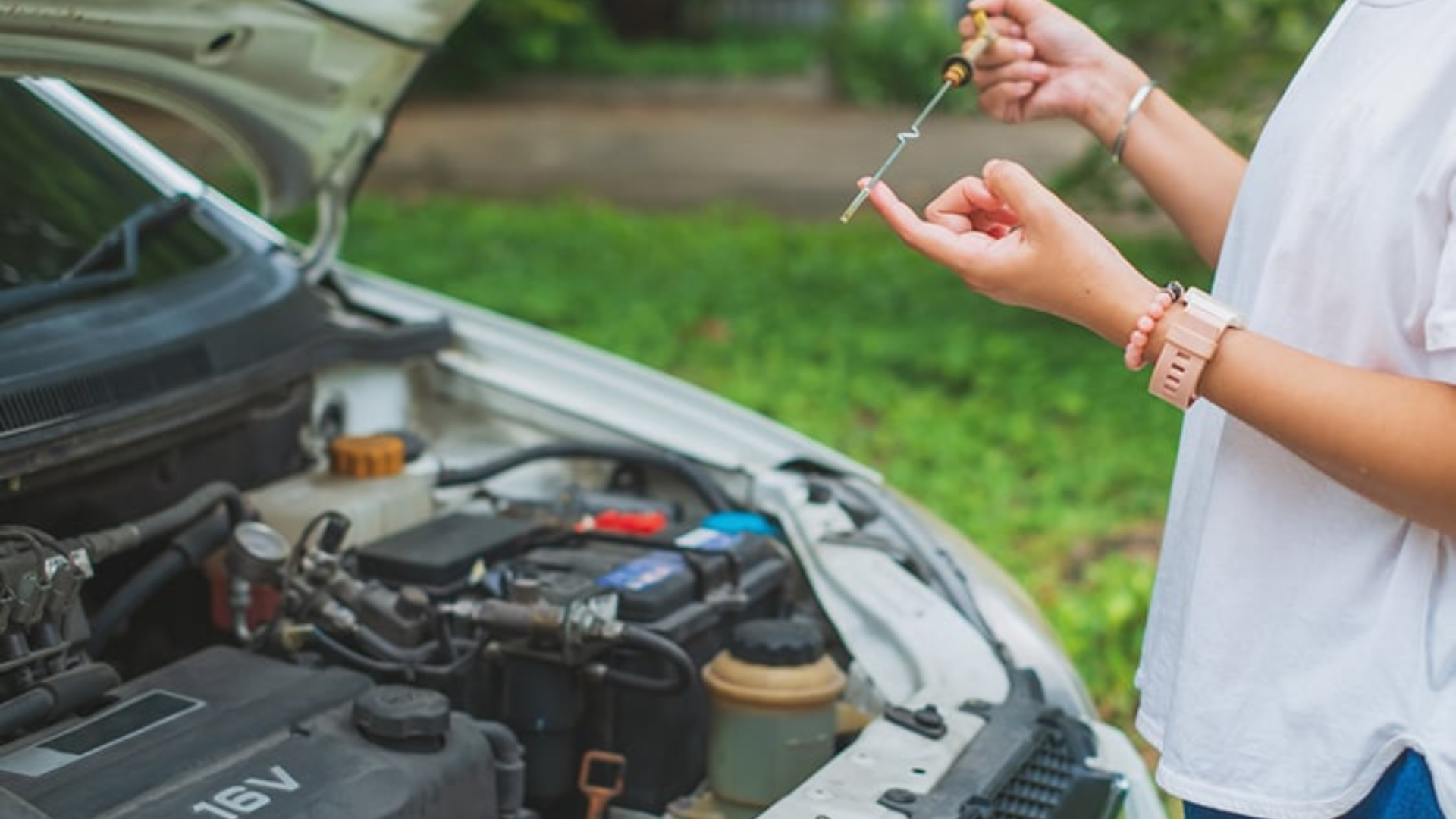
2. Inspect Engine Oil
Engine oil lubricates moving parts and prevents overheating. Dirty or low oil can damage your engine.
How to check:
- Use the dipstick to measure oil level
- Check oil color (dark black means it’s time to change)
3. Check Coolant Level
The cooling system prevents your engine from overheating, especially during long drives.
Look for:
- Proper coolant level in the reservoir
- Any leaks or unusual drops
4. Test the Brakes
Brakes are critical for safety. Any issue here should be addressed immediately.
Inspect:
- Brake pads thickness
- Unusual noises (squeaking or grinding)
- Brake response and stopping distance
5. Examine Tires
Your tires are your only contact with the road, so they must be in good condition.
Checklist:
- Tread depth should not be too worn
- Proper tire pressure
- No cracks, bulges, or visible damage
Don’t forget to check your spare tire as well.
6. Check All Lights
Proper lighting ensures visibility and communication with other drivers.
Make sure these are working:
- Headlights (high and low beam)
- Brake lights
- Turn signals
- Hazard lights
7. Inspect Windshield Wipers
Faulty wipers can reduce visibility during rain and increase accident risk.
Check for:
- Smooth operation
- No streaking or skipping
- Worn-out rubber blades
8. Refill Windshield Washer Fluid
This is a simple but often overlooked step. Dirt, dust, and debris can quickly block your view.
9. Check Suspension System
If your car makes unusual noises on bumps or feels unstable, your suspension system may need attention.
Warning signs:
- Excessive bouncing
- Knocking sounds
- Uneven tire wear
10. Fuel Up in Advance
Never start a long journey with a nearly empty tank.
Tip: Plan fuel stops along your route, especially if traveling through remote areas.
Bonus Tips for a Safer and Smoother Trip
Get a Professional Inspection
If you’re unsure about your car’s condition, take it to a mechanic or service center for a full inspection.
Prepare Emergency Equipment
Always carry essential items such as:
- Jumper cables
- Jack and tire tools
- Flashlight
- First aid kit
- Warning triangle
Plan Your Route Ahead
Using navigation tools can help you avoid traffic, locate rest stops, and estimate travel time more accurately.
Get Enough Rest Before Driving
Driver fatigue is one of the leading causes of accidents. Aim for at least 6–8 hours of sleep and take breaks every 2–3 hours during the trip.
Warning Signs You Should Never Ignore
If you notice any of the following issues before your trip, address them immediately:
- Strange engine noises
- Vibrations while driving
- Warning lights on the dashboard
- Poor braking performance
- Burning smells
Ignoring these signs could lead to serious problems on the road.
Safe Driving Tips for Long-Distance Travel
- Follow speed limits
- Maintain a safe distance from other vehicles
- Avoid using your phone while driving
- Take regular breaks to stay alert
- Avoid driving when overly tired
Conclusion
Checking your car before a long holiday isn’t just a recommendation—it’s a necessity. From your battery and brakes to your tires and fluids, every component plays a role in ensuring a safe journey.
A well-prepared car means a stress-free, safe, and enjoyable trip.
Before you pack your bags and hit the road, take the time to inspect your vehicle. It’s one of the smartest decisions you can make for yourself and your loved ones.
Want a car valuation? Contact us to get a free car valuation within 24 hours…