When fuel prices drop: will big-engine european cars and off-road SUVs dominate the used car market again?
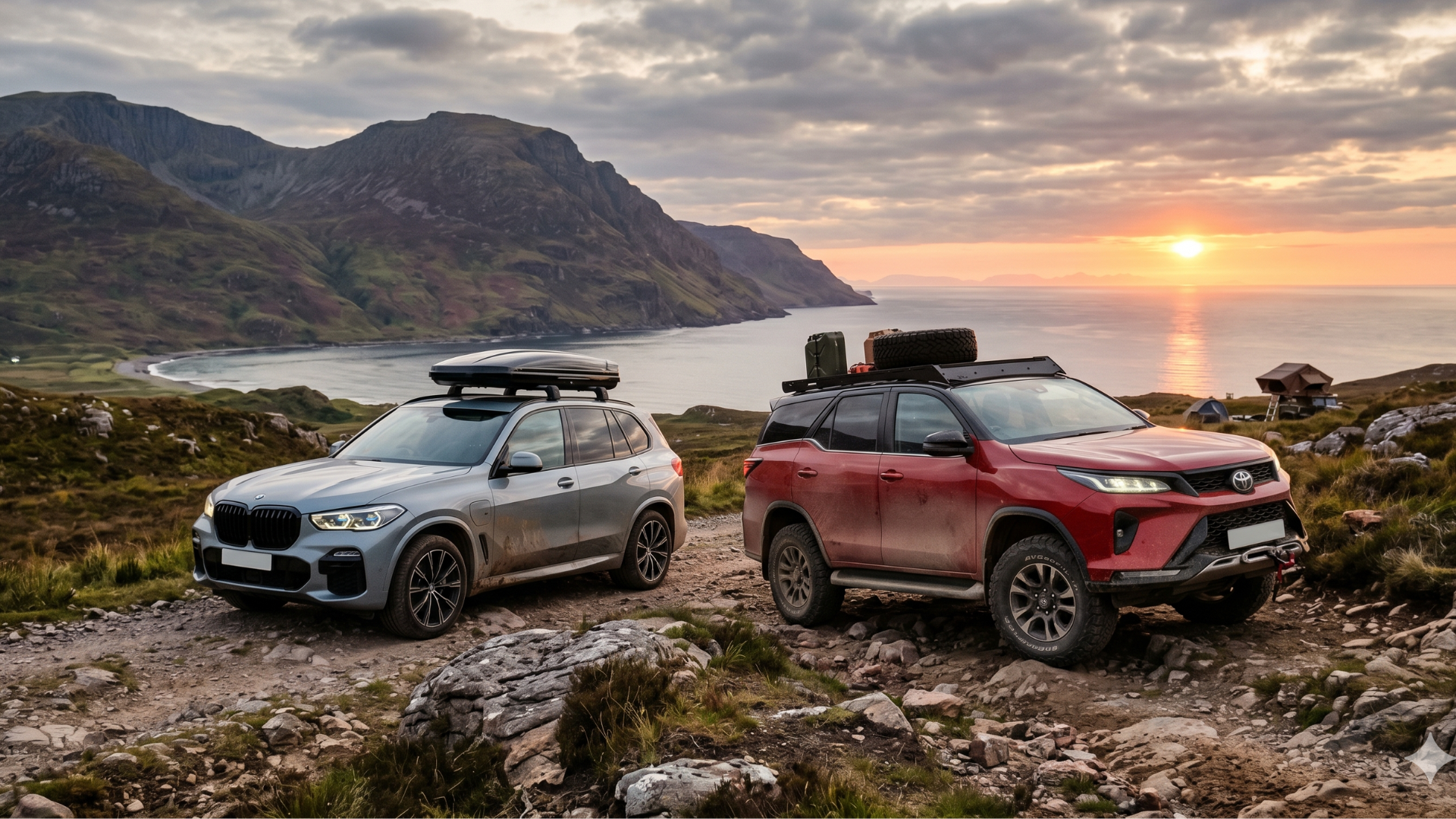
When fuel prices drop: will big-engine European cars and off-road SUVs dominate the used car market again?
Fuel prices have always played a major role in shaping automotive demand. When fuel becomes cheaper, many expect a return to larger engines, luxury vehicles, and rugged SUVs—especially in the used car market where pricing is more accessible.
So the key question is: Will big-engine European cars and off-road SUVs truly regain dominance in the used car market when fuel prices fall?
The traditional link between fuel prices and car demand
Historically, the relationship has been straightforward:
- High fuel prices → Demand shifts to compact cars, hybrids, and EVs
- Low fuel prices → Larger engines, SUVs, and luxury vehicles regain popularity
However, this pattern is no longer absolute.
Today’s consumers evaluate more than just fuel cost—they assess long-term value, reliability, and risk.
Why lower fuel prices don’t guarantee a comeback
1. Total cost of ownership (TCO) matters more than ever
Modern buyers consider the full cost of owning a vehicle, including:
- Maintenance and repairs
- Insurance
- Depreciation
- Parts availability
Big-engine European cars may be cheaper upfront in the used market, but:
- Maintenance costs remain high
- Unexpected repairs can be expensive
This weakens their appeal despite lower fuel costs.
2. Rising awareness of maintenance complexity
European vehicles are known for:
- Advanced engineering
- Superior driving dynamics
- Premium interiors
But in the used market, buyers worry about:
- Specialized servicing requirements
- Expensive spare parts
- Limited access to expert technicians
These concerns reduce mass-market demand.
3. EV and hybrid momentum continues
Even with cheaper fuel:
- EVs still offer lower long-term running costs
- Hybrids provide flexibility and efficiency
As a result, large combustion-engine vehicles are no longer the default “upgrade choice.”
Off-road SUVs: a segment that still has momentum
Unlike big-engine sedans, off-road and lifestyle SUVs continue to perform well—even in shifting market conditions.
Why SUVs remain attractive
- Multi-purpose usability (family + travel + adventure)
- Strong road presence and brand perception
- Alignment with outdoor and lifestyle trends
Popular models in the used market include:
- Toyota Land Cruiser
- Jeep Wrangler
- Ford Everest / Ranger
- Mitsubishi Pajero Sport
These vehicles maintain consistent demand and resale value, especially in regions with diverse terrain.
Big-engine European cars: a niche comeback
Strengths:
- Significant depreciation → attractive entry price
- High performance and driving pleasure
- Premium brand appeal
Limitations:
- High maintenance costs
- Unpredictable ownership expenses
- Lower resale stability
As a result, the target audience is narrower:
- Enthusiasts
- Experienced car owners
- Buyers with financial flexibility
This is no longer a mass-market trend—but a passion-driven niche.
Key insight: the market is splitting into two segments
1. Practical buyers
- Prioritize cost predictability
- Choose EVs, hybrids, or reliable eco cars
- Focus on long-term savings
2. Lifestyle and emotional buyers
- Value experience, design, and performance
- Prefer SUVs, premium brands, or unique vehicles
- Less sensitive to operating costs
Lower fuel prices may stimulate the second group—but won’t significantly shift the first.
Used car market trends
Looking ahead, several patterns are emerging:
- Value and reliability dominate purchasing decisions
- SUVs and adventure vehicles continue to grow in demand
- Big-engine European cars remain a niche segment
- Used EVs are entering the market and gaining traction
- Buyers rely more on data, reviews, and ownership insights
Expert buying advice
Considering a big-engine European car?
Ask yourself:
- Can you handle ongoing maintenance costs?
- Do you have access to a trusted specialist garage?
- Are you buying for passion or practicality?
Considering an off-road SUV?
- Vehicle history (especially off-road usage)
- Condition of drivetrain and suspension
- Long-term maintenance expectations
FAQ: Used car market and fuel prices
1: Should I buy a big-engine car when fuel prices are low?
Not necessarily. Fuel savings alone don’t offset long-term ownership costs.
2: Are used European cars worth it?
They can offer excellent value for performance—but are best suited for informed buyers.
3: Are SUVs a safer investment in the used market?
In many cases, yes—especially models with strong reliability and resale demand.
4: Will EVs replace large-engine cars completely?
No, but they are reducing their market share and shifting demand patterns.
5: What is the most important factor when buying a used car?
- Vehicle condition
- Service history
- Total cost of ownership
Conclusion
Lower fuel prices may revive interest in larger vehicles—but they won’t fully reverse current market trends.
- Big-engine European cars → niche, passion-driven segment
- Off-road SUVs → steady and growing demand
- Consumers → more informed, value-focused, and cautious
Buying decisions are no longer driven by fuel prices alone—but by confidence, usability, and long-term value.
Want a car valuation? Contact us to get a free car valuation within 24 hours…