2026 Automobile Excise Tax Hike: How Will It Impact Car Prices?
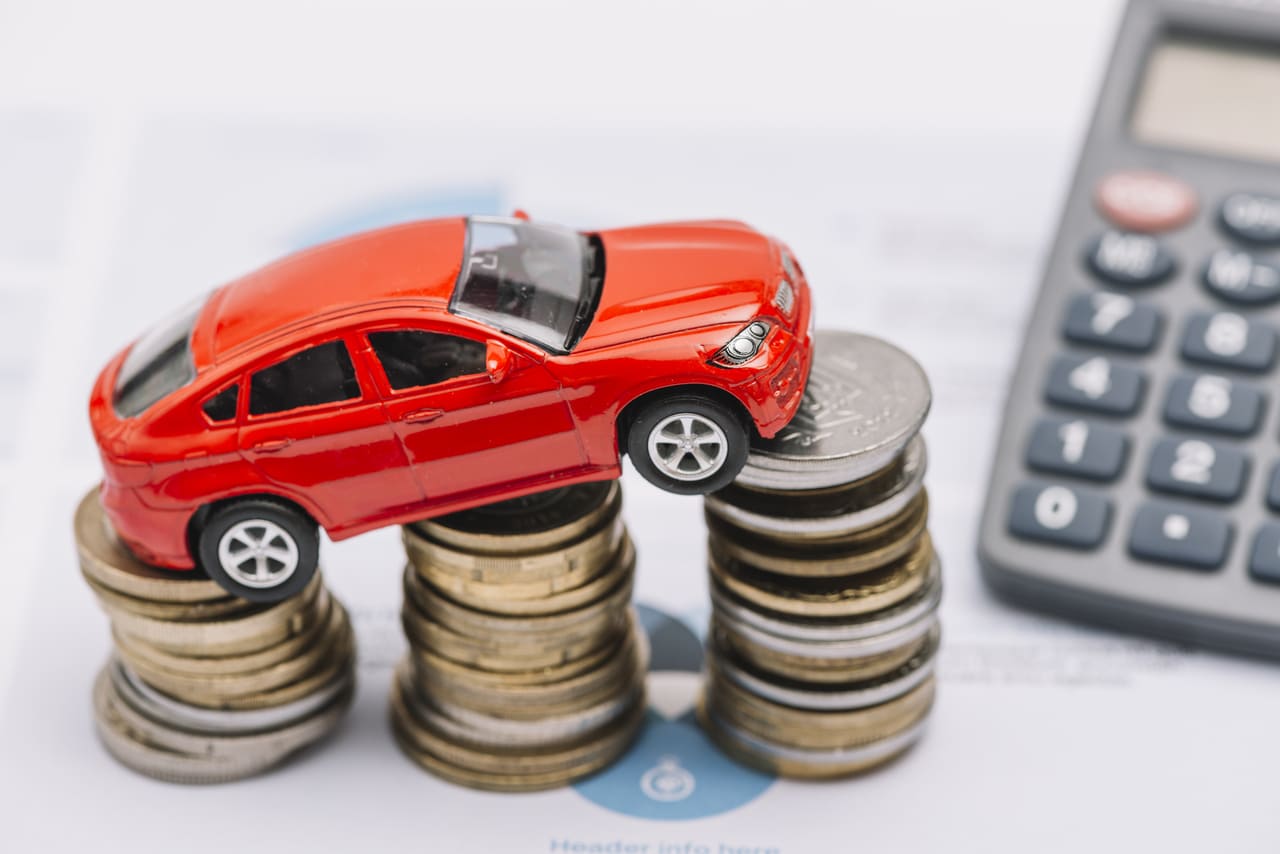
Planning to buy a new car soon? Let's break down the upcoming tax changes so you know exactly how it might affect the price tag of your next dream ride!
As late 2026 approaches, another critical issue has emerged for prospective car buyers to monitor. The Excise Department is currently reviewing the automobile excise tax structure. The focus is particularly on imported Electric Vehicles (EVs) that lack a manufacturing base or offsetting production commitments in Thailand, with proposals considering an increased tax rate of approximately 30–40%. Concurrently, there is a policy direction to adjust the overall vehicle tax system to place greater emphasis on carbon dioxide (CO₂) emission levels. If implemented, these measures will likely impact late-2026 vehicle pricing, automaker promotional offers, and consumer decision-making across internal combustion engine (ICE) vehicles, hybrids, and EVs.
In What Direction Is the Automobile Excise Tax Changing?
The essential point to understand first is that current news regarding an EV tax hike remains a proposal under consideration by the Excise Department and the Ministry of Finance, currently being discussed with industry stakeholders. This does not mean all imported EVs will immediately face a 30–40% tax rate.
Information as of late August 2026 indicates that the Excise Department is considering higher tax rates for specific categories of imported EVs, particularly vehicles imported for sale without a domestic manufacturing base or localized offsetting production obligations in Thailand.
At the same time, the broader policy direction does not merely classify vehicles strictly as EV or gas-powered. Instead, it moves toward using CO₂ emissions as a primary benchmark, ensuring that vehicles with a lower environmental impact receive greater support.
This concept spans Internal Combustion Engine (ICE) vehicles to Hybrid Electric Vehicles (HEV), Plug-in Hybrid Electric Vehicles (PHEV), Extended-Range Electric Vehicles (EREV), and Battery Electric Vehicles (BEV). The Excise Department has stated that the goal is to facilitate a transition toward clean-energy vehicles without causing excessive disruption to existing manufacturers, local employment, and the Thai automotive supply chain.
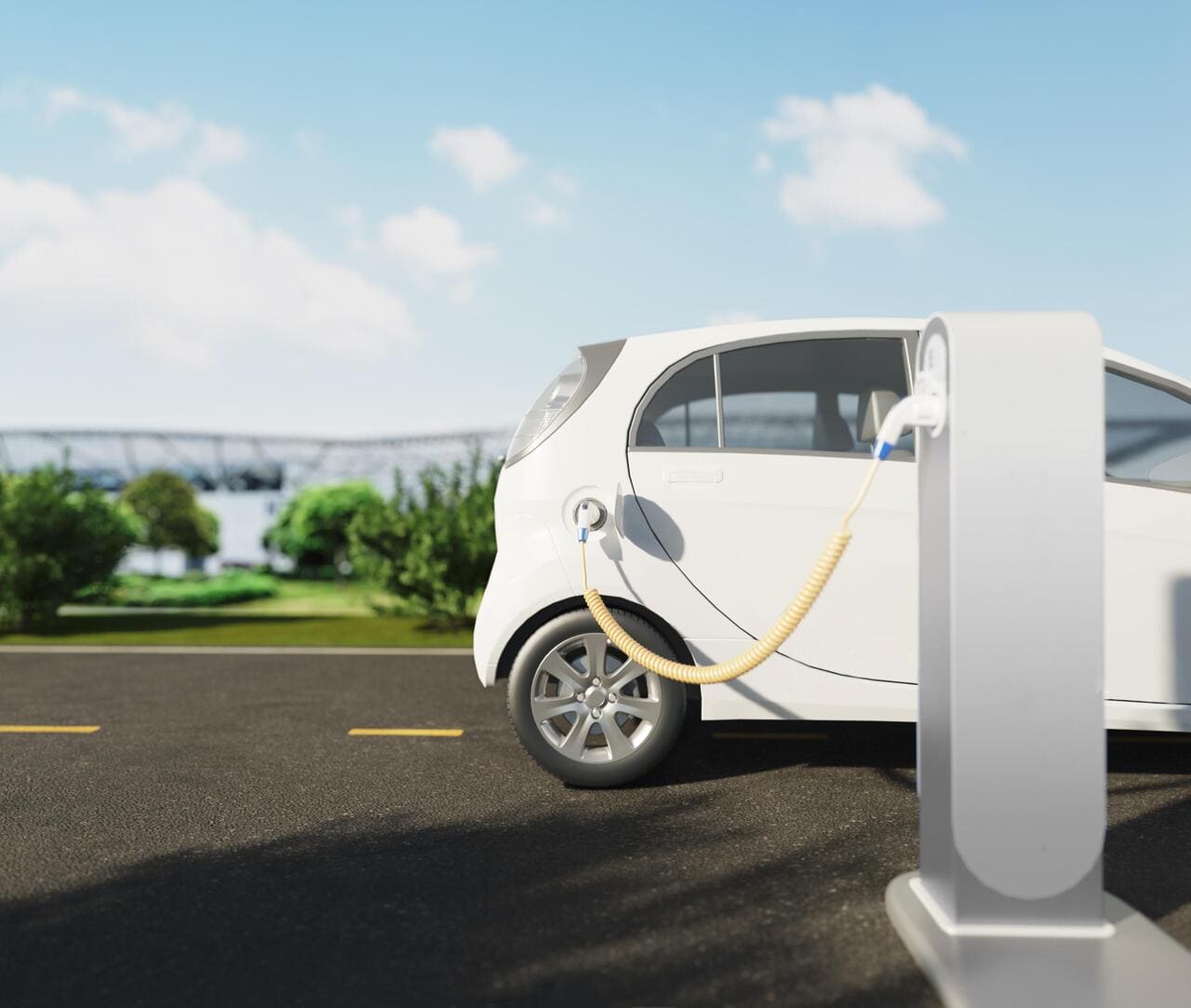
Imported EVs May Face a Tax Increase to 30–40%
One of the most widely discussed topics is the tax on imported EVs. In recent years, Thailand implemented various incentive measures for electric vehicles to stimulate market growth and attract foreign manufacturers. However, as EV sales grew, a key concern emerged: a significant volume of these vehicles remained imported Completely Built-Up (CBU) units, whereas the local industry seeks to foster local manufacturing and domestic parts utilization.
Reports published on August 28, 2026, indicate that the Excise Department is considering raising tax rates for imported EVs lacking a Thai manufacturing base to approximately 30–40%, up from the current rate reported to be around 10% for this group. However, this proposal remains under deliberation, and no final decision has been made regarding its enforcement date.
Why Is the Government Considering Raising Taxes on Imported EVs?
The primary motivation is not to curb EV adoption, but rather to balance CBU vehicle imports with domestic manufacturing investment in Thailand.
Between January and July 2026, electric passenger car sales exceeded 125,000 units, with imported vehicles accounting for more than 60% of that total. Consequently, the Thai automotive sector expressed concern that unchecked import growth could negatively affect local assembly plants, component suppliers, and domestic labor.
The proposed tax adjustment functions as a strategic signal: automakers seeking tax privileges should invest, establish local plants, assemble vehicles, or source local components in accordance with specified conditions.
There May Be a Transition Period Before the Full Rate Applies
Another noteworthy point is that the Excise Department is evaluating transitional measures for operators. Not all imported vehicles will immediately be subject to the 30–40% tax rate.
One proposal includes allowing certain manufacturers to import vehicles for sale during 2026–2027 while remaining at or slightly above the 10% tax rate, provided they commit to establishing local plants and manufacturing offset vehicles in Thailand by 2028, while also meeting specified investment and local content criteria.
Therefore, the 30–40% range should be viewed as an "under-consideration rate" for specific imported EV categories, rather than a finalized new tax applied to all EVs today.
If the Imported EV Tax Rises, How Might Late-Year Car Prices Change?
If the tax increase on certain imported electric vehicles is enacted, the immediate effect for consumers may be greater variance in retail pricing and promotional offers across different models.
Imported EVs face higher cost pressures
The segment most directly affected would be CBU electric vehicles, particularly from brands without manufacturing plants or approved local production plans in Thailand. If the tax rate rises, importer costs will increase accordingly, leading automakers to either raise retail prices or reduce discounts and promotional incentives.
However, a 20% tax increase does not automatically translate to a direct 20% increase in sticker price. Manufacturers can absorb costs through profit margin adjustments, currency exchange management, or strategic discounts to maintain market competitiveness.
Locally produced EVs gain a competitive edge
Conversely, EVs produced in Thailand stand to gain a relative cost and tax advantage, particularly those from manufacturers investing in local assembly and satisfying local content requirements. Moving forward, consumers may see a clearer price gap between imported and locally assembled EVs. Whereas competition previously centered on brand prestige or battery capacity, manufacturing location may become a key determinant of final vehicle pricing.
New Tax Structure Prepares to Use CO₂ as a Key Criterion
Beyond imported EVs, another factor impacting the automotive market long-term is the recalibration of vehicle taxes based on CO₂ emissions. The Director-General of the Excise Department noted that the proposed framework will utilize CO₂ emission levels as a core index for tax categorization and incentives, without limiting privileges exclusively to BEVs.
This means that internal combustion engine vehicles, HEVs, PHEVs, or EREVs capable of reducing CO₂ emissions may also qualify for tax benefits under the new structure.
High-emission vehicles risk higher taxes
This policy follows a straightforward principle: vehicles that generate more pollution carry a higher tax burden, while lower-emitting vehicles receive tax incentives. For internal combustion engine (ICE) vehicles, CO₂ output will take precedence over traditional engine displacement metrics (e.g., 1,500 cc vs. 2,000 cc).
Future vehicle buyers may need to evaluate CO₂ emissions (in grams per kilometer) alongside horsepower, fuel economy, and engine size, as emission figures will directly correlate with vehicle tax rates and final retail pricing.
HEVs and PHEVs will continue to play a vital role
The structural adjustment does not indicate an exclusive pivot toward BEVs. Because Thailand maintains a substantial manufacturing base for internal combustion engines and auto parts, providing tax incentives to HEVs, PHEVs, and EREVs based on CO₂ performance allows traditional manufacturers to transition toward clean-energy vehicles gradually.
Currently, HEV measures applicable between 2026 and 2032 determine tax rates based on CO₂ output. For instance, vehicles emitting no more than 100 g/km are taxed at 6%, while those emitting between 101–120 g/km face a 9% rate, subject to specified investment and manufacturing conditions.

Beyond Excise Tax, What Other Costs Are Involved?
Budgeting for a vehicle requires looking beyond the excise tax, as several other vehicle-related taxes and expenses apply:
1. Value-Added Tax (VAT)
Vehicles sold in Thailand are subject to Value-Added Tax (VAT), which forms part of the final price paid by consumers. If pre-sale costs rise due to excise taxes or other expenses, the total price impact involves more than just the excise tax element alone.
2. Import Duty
For imported vehicles, import duties must also be factored in. Actual rates vary depending on customs tariffs, the country of origin, and applicable free trade agreements. Care should be taken not to use the terms "import duty" and "excise tax" interchangeably; they are distinct tax categories, though both affect the total landed cost of imported vehicles.
3. Compulsory Motor Insurance (Por Ror Bor)
After purchasing a vehicle, owners must maintain statutory Compulsory Motor Insurance (Por Ror Bor), which is mandatory for annual vehicle tax renewal. Beyond compulsory coverage, many owners opt for voluntary motor insurance, alongside ongoing costs for maintenance, fuel or electricity, and vehicle depreciation.
4. Annual Vehicle Tax
It is important to clarify that annual vehicle tax is distinct from excise tax. Reports of a 30–40% excise tax hike on imported EVs do not mean existing EV owners will see their annual vehicle tax renewal rates increase to 30–40%.
Annual road tax for passenger cars under 7 seats continues to be calculated based on engine displacement using a tiered structure:
- 1–600 cc: 0.50 THB per cc
- 601–1,800 cc: 1.50 THB per cc
- Portion exceeding 1,800 cc: 4.00 THB per cc
Vehicles aged 6 years or older receive progressive tax discounts up to a maximum of 50% for vehicles aged 10 years and above. For EVs, the annual tax is calculated based on total vehicle weight rather than engine displacement.
Excise Tax vs. Annual Vehicle Tax: They Are Not the Same
Amid news of EV tax adjustments, car owners should avoid confusing automobile excise tax with annual road tax. Excise tax is embedded in the initial cost structure of vehicles manufactured or imported for sale, directly influencing new car retail prices. Annual vehicle tax, by contrast, is a recurring compliance fee paid by owners to operate a registered vehicle legally on public roads.
Consequently, even if the government eventually adjusts imported EV excise taxes from ~10% up to 30–40%, existing EV owners will not face a corresponding increase in their annual road tax renewal fees.
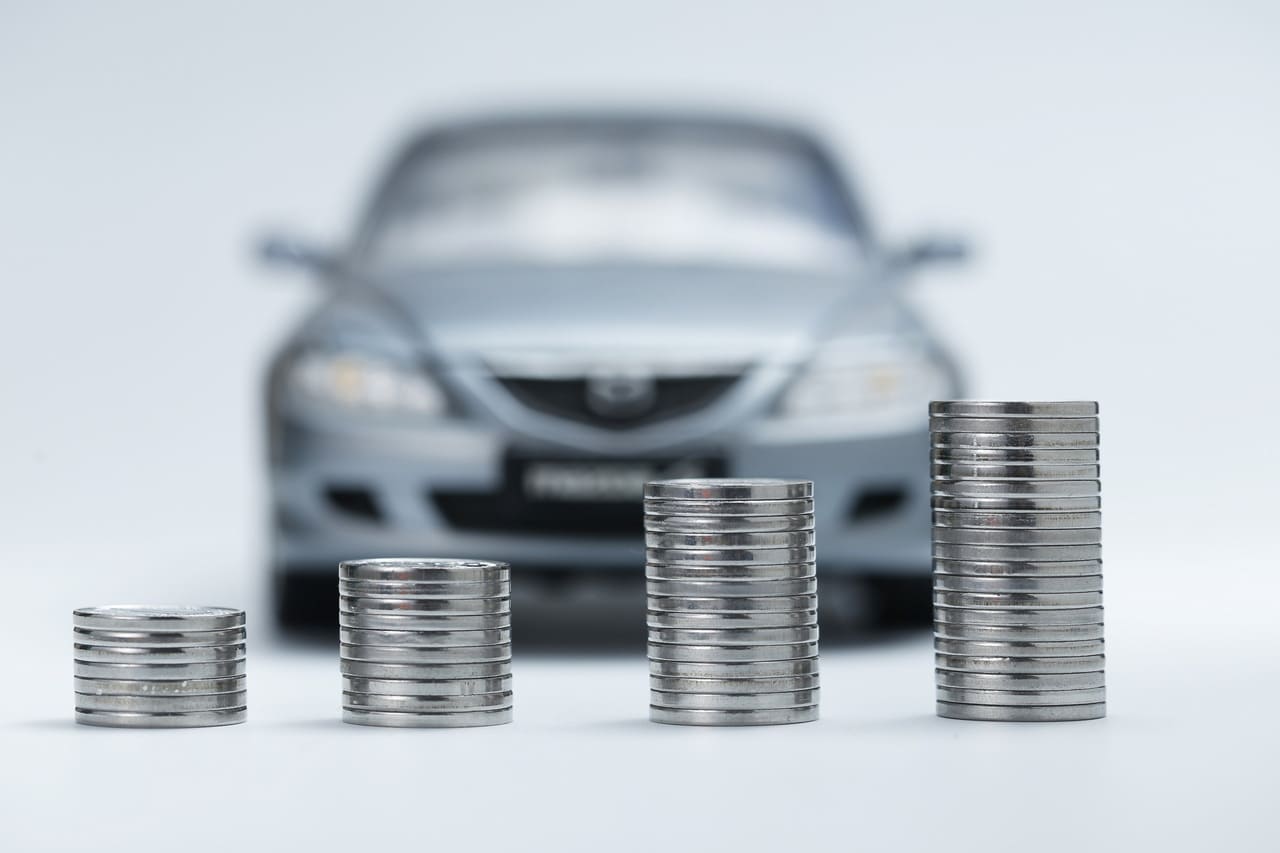
Buying a Car in Late 2026: Should You Buy Now or Wait?
Consumers planning to buy a car in late 2026 do not need to make rushed decisions solely due to headlines regarding a 30–40% EV tax. The proposed rates remain under review, and specific transition terms may evolve. Prospective buyers should confirm whether their preferred model is produced locally or imported. For imported EVs, consumers should check whether the manufacturer has confirmed local assembly plans or joined government offset schemes.
Additionally, year-end sales periods typically feature aggressive automaker promotions—such as price discounts, special interest rates, free insurance, or complimentary maintenance packages—which can help offset potential cost increases. For buyers open to alternative powertrains, comparing ICE, HEV, and PHEV options is worthwhile; if the new structure prioritizes CO₂ emissions, high-efficiency hybrid vehicles may retain favorable tax positioning.
Automotive Price Outlook for Late 2026
Ultimately, news surrounding the 2026 automobile excise tax adjustments reflects a broader transformation in Thailand's automotive landscape. Rather than a rigid division between gas-powered and electric vehicles, the market is shifting toward a framework centered on CO₂ emissions, domestic manufacturing, and local parts integration.
Buyers navigating the market in late 2026 should monitor official announcements regarding the 30–40% imported EV tax proposal closely, keeping in mind that these figures represent policy considerations rather than currently enacted rates. For existing vehicle owners—whether driving gas, hybrid, or electric vehicles checking annual renewal deadlines and completing road tax obligations online ensures continued legal and worry-free driving.
Frequently Asked Questions (FAQs)
1. When will the EV automobile excise tax increase take effect?
- The proposed tax increase on select imported EV groups remains under consideration, with no official enforcement date announced for all EV models.
2. Will imported EVs definitely be taxed at 30–40%?
- The 30–40% range represents a proposed framework for imported EVs lacking domestic production bases in Thailand; it is not a finalized rate currently in effect.
3. Will EVs produced in Thailand face higher taxes as well?
- The current proposals target imported EVs without local production facilities or offset plans. Vehicles manufactured locally are evaluated under different terms.
4. Will car prices increase immediately if taxes rise?
- Not necessarily in direct proportion to the tax rate increase, as final retail pricing depends on manufacturer cost management, profit margins, discounts, and promotional strategies.
5. Why is the government considering higher taxes on imported EVs?
- The goal is to balance the automotive ecosystem by encouraging carmakers to establish local manufacturing plants, produce vehicles domestically, and utilize Thai supply chains.
6. Will gas-powered vehicles be affected by the new tax structure?
- Potentially yes, as the new framework places greater emphasis on CO₂ emissions. Vehicles with higher emissions may face higher relative tax burdens.
7. Will Hybrid and PHEV taxes increase?
- Taxation will depend on CO₂ emission levels and specific vehicle category criteria. Low-emission models will continue to benefit from favorable tax rates.
8. Are excise tax and annual vehicle tax the same thing?
- No. Excise tax forms part of the upfront vehicle production and import cost structure, whereas annual vehicle tax is a recurring fee paid yearly by owners to maintain legal road registration.
9. If imported EV excise tax increases, will annual EV road tax increase as well?
- No. Annual EV road tax is calculated based on vehicle weight and does not increase in step with excise tax adjustments.
10. Can vehicle tax be renewed online?
- Yes, car owners can complete their annual vehicle tax renewal online via the Motorist platform.
Own a Car? Don't Forget to Renew Your Vehicle Tax at Motorist
Whether choosing an EV, hybrid, or gas-powered vehicle late this year, annual vehicle tax renewal remains an essential ownership expense. Vehicle owners can renew their annual road tax and compulsory insurance (Por Ror Bor) conveniently online via Motorist. For vehicles over 7 years old, an inspection at an Authorized Inspection Center (VIC/TRO) is required prior to renewal; once passed, the tax can be renewed online seamlessly under applicable terms.
Want a car valuation? Contact us to get a free car valuation within 24 hours…