Online Car Valuation: What Information Should You Prepare and Which Parts Should You Photograph?
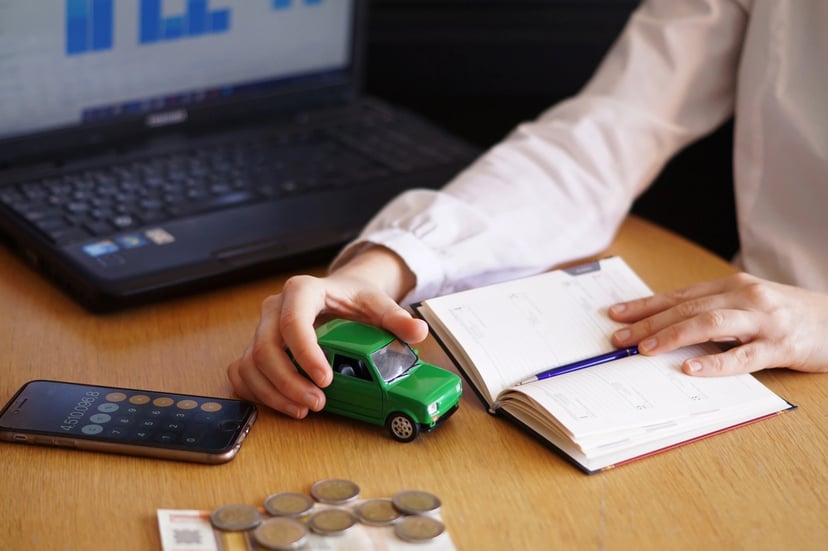
Online car valuation helps car owners get an initial estimate before deciding to sell, without having to show the car to a buyer at the first step. However, incomplete information or unclear photos may cause the estimated price to differ from the car’s actual condition.
If you want an estimate that more closely reflects your used car’s value, prepare the vehicle details, usage history and photos of key areas. This article explains what information to prepare, which parts of the car to photograph, and what to keep in mind before submitting your details for an assessment.
Table of contents
What information is used to value a car online?What car details should you prepare before requesting an online valuation?
1. Basic details from the car and registration book
2. Usage and maintenance history
3. Current condition and document status
Which parts of the car should you photograph for an online valuation?
1. All four exterior sides
2. Scratches, dents and other imperfections
3. The cabin and seats
4. The dashboard and odometer
5. The engine bay
6. Wheels, tyres and accessories
Tips for taking photos that make it easier to assess your car
Prepare complete information for a more accurate online car valuation
Key takeaways
- Prepare the make, model, variant, registration year, engine type, transmission and current mileage.
- Accurately disclose the car’s accident, flood, repair and maintenance history.
- Photograph all four exterior sides, the cabin, odometer, engine bay, wheels and any imperfections.
- An online valuation is an initial estimate. The actual purchase offer may change after the car is inspected.
What information is used to value a car online?
Online car valuations use basic vehicle details along with the car’s condition and market demand. Each valuation system or buyer may weigh these factors differently, so two cars of the same model and year may not receive the same estimate.
An initial estimate generally considers the model, year of manufacture or registration, variant, mileage and overall condition. An in-person inspection may identify additional details, such as signs of body repairs, engine issues or damage history.
It is important to distinguish an initial estimate from the price a buyer agrees to pay. The figure shown on a website may be a reference before the car is inspected, and does not guarantee that the car will sell for that amount.
What car details should you prepare before requesting an online valuation?
Before filling in a used-car website form, gather the car’s details to reduce the risk of selecting the wrong variant or describing its condition inaccurately. The information to prepare can be divided into three main groups.
1. Basic details from the car and registration book
These details identify the car being valued and help ensure it matches the information used to assess market prices. Prepare the following:
Make and model: for example, Toyota Yaris ATIV or Honda City
Variant: such as Sport, Smart, Premium or the variant name specified by the manufacturer
Year of manufacture and registration year: check these carefully, as they may be different
Engine type: such as petrol, diesel, hybrid or electric
Transmission: automatic or manual
Current mileage: use the figure shown on the dashboard
You can verify these details using the vehicle registration book, purchase documents or the manufacturer’s model information. Do not guess the variant based only on the car’s appearance, as some models may have accessories or body kits that make them look like another variant.
2. Usage and maintenance history
In addition to the car’s model details, its usage history can help the assessor understand its condition, especially if it has been driven for several years or had repairs to important parts.
Information to prepare includes service history, scheduled parts replacements, engine or transmission repairs, and accident history. If the car has been in a serious collision, exposed to flooding or had structural repairs, disclose this accurately.
If you have a service logbook or maintenance receipts, you can prepare them as supporting information. They can help a buyer understand how the car has been maintained, although they do not guarantee a higher valuation in every case.
3. Current condition and document status
Before submitting information for a valuation, inspect the car for scratches, dents, repainted areas, damaged accessories and systems that are not working properly. This will help you describe its condition accurately.
You should also check whether the car is fully paid off or still under financing. This can affect the selling process and the net amount you receive, even though it does not directly determine the car’s market value.

Which parts of the car should you photograph for an online valuation?
Photos help the assessor review the car’s initial condition, especially areas that may affect its selling price, such as the body, paintwork, cabin and signs of damage. To get an estimate that more closely reflects the car’s condition, take photos of all six of the following areas.
1. All four exterior sides
Photograph the front, rear, left and right sides of the car, as well as diagonal front and rear angles. This helps show the car’s shape, paint condition and overall bodywork. Make sure the whole car is visible and unobstructed.
2. Scratches, dents and other imperfections
Take close-up photos that clearly show the location and size of any damage. If there are several marks, photograph them separately and include a wider shot to show where each one is on the car.
3. The cabin and seats
Photograph the dashboard, steering wheel, front seats, rear seats and luggage area. This helps the assessor see the condition of the materials, signs of wear and the overall state of the interior equipment.
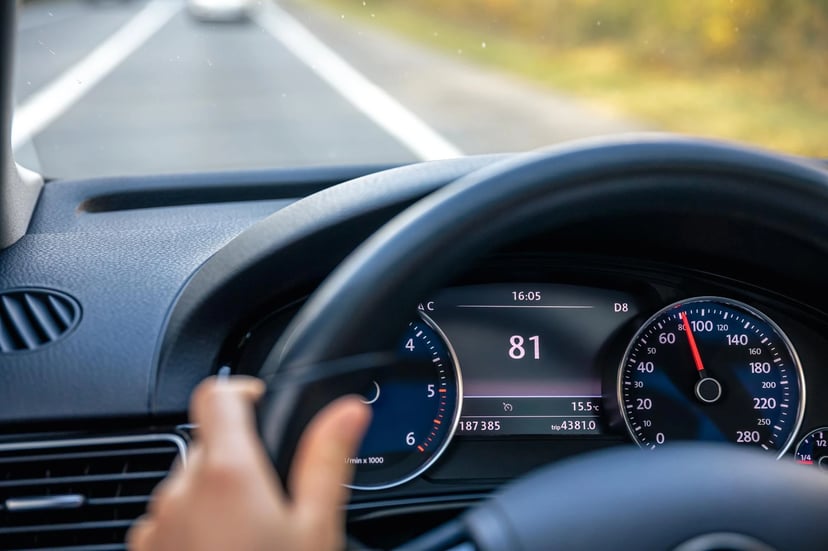
4. The dashboard and odometer
Take a photo of the dashboard with the car’s electrical system switched on. Make sure the mileage is clear and easy to read. If any warning lights are on, disclose this accurately rather than hiding them by choosing a particular camera angle.
5. The engine bay
Open the bonnet and take a photo that shows the engine bay as a whole. If you notice a leak, fluid stains or damaged parts, take additional photos. For electric vehicles, photograph the area under the bonnet and related equipment if requested by the assessor. Do not open or remove high-voltage electrical components yourself.
6. Wheels, tyres and accessories
Photograph the wheels and tyres so the tread condition is visible, along with any damage to the rims or alloy wheels. Include any additional accessories fitted to the car so the assessor can review its condition more fully.
These six photo groups are general guidelines, not requirements for every platform. Some providers may request additional photos, such as the chassis number or certain documents. Check that the channel requesting your information is trustworthy before sending documents containing personal information.
Tips for taking photos that make it easier to assess your car
You do not need a professional camera to photograph your car for a valuation. A regular mobile phone is sufficient if the lighting is suitable and the details are clear. Keep these tips in mind:
Take photos during the day: choose a place with even lighting and avoid harsh sunlight that creates reflections and hides marks on the body.
Wash the car before taking photos: this helps show the paintwork and imperfections accurately. Do not edit the photos to hide damage.
Take both wide shots and close-ups: wide shots show the overall condition, while close-ups show the details of imperfections.
Avoid filters and colour adjustments: they may make the car’s colour and surface look different from reality.
Check the photos are clear before sending them, especially the odometer, imperfections and areas with small details.
Take photos of the car in its current condition rather than using images taken several months ago, as the mileage, scratches and overall condition may have changed.
Prepare complete information for a more accurate online car valuation
To get an online valuation that is useful when making a decision, provide accurate vehicle details, prepare its usage history and photograph its condition clearly. Include any imperfections or damage that may affect the price. Keep in mind that the initial estimate may change after the buyer inspects the car.
If you want to find out your car’s value before selling, you can use Motorist Thailand’s online car valuation service to get an initial estimate and consider selling options through its network of buyers. Review the service process and offer terms before deciding to sell.
Frequently Asked Questions about online car valuations (FAQs)
1. Is an online car valuation free?
Some websites offer free online car valuations, allowing owners to submit details for an initial estimate. Check each platform’s terms before using its service.
2. Do I need the vehicle registration book for a used-car valuation?
You may not need to submit the registration book for an initial valuation, but you should use it to verify the car’s details. The actual sale will require documents according to the vehicle transfer process.
3. Can I get a valuation if I do not have photos of every angle?
Some platforms may provide an initial estimate, but incomplete photos may make it harder to assess the car’s condition. The provider may request additional photos before confirming a purchase offer.
Want a car valuation? Contact us to get a free car valuation within 24 hours…

