How to check tyre pressure the right way: 5 common mistakes to avoid
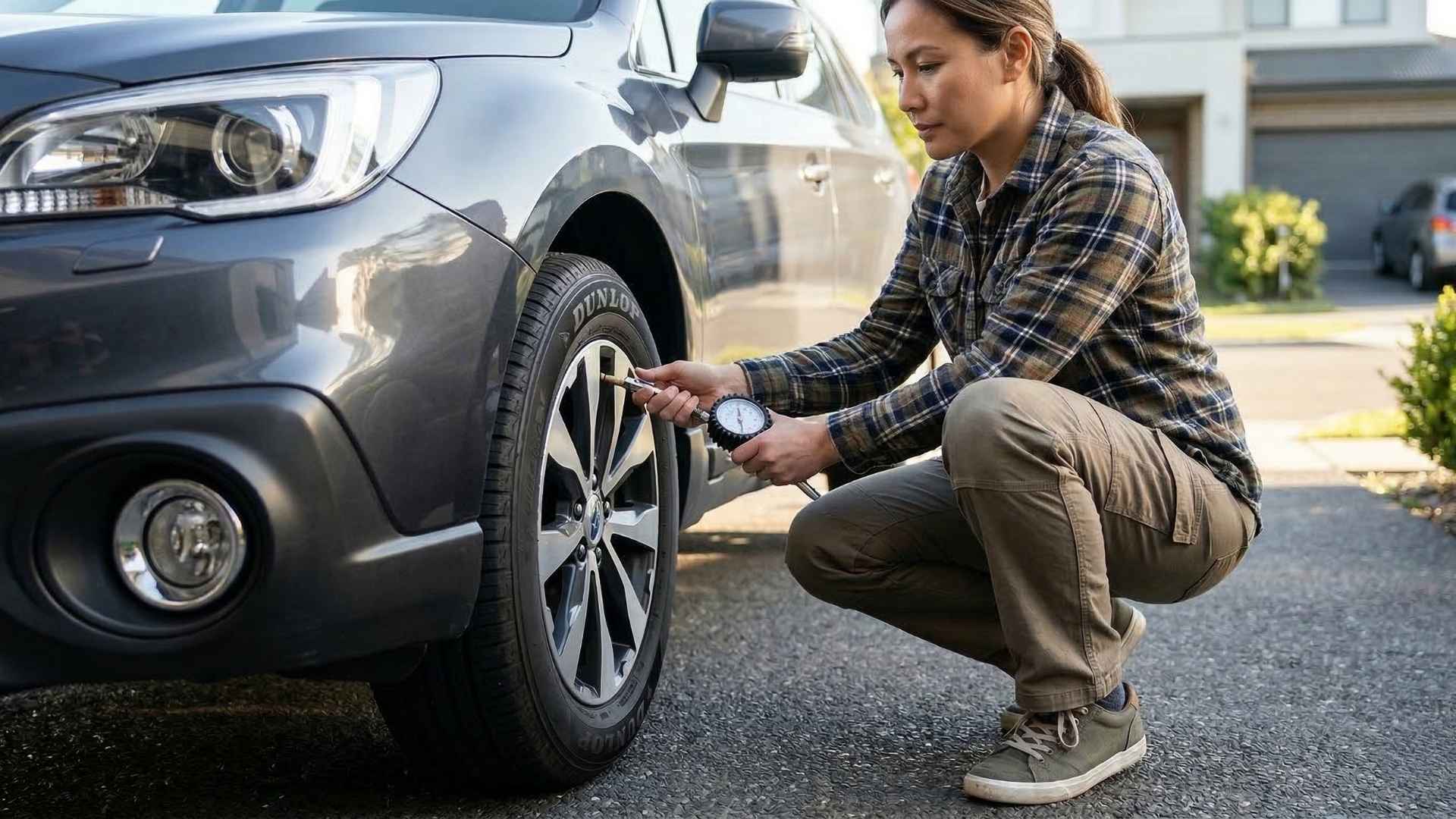
Proper tyre maintenance is essential for safety, fuel efficiency, and tyre longevity. One of the most overlooked aspects of car care is checking tyre pressure correctly.
Many drivers assume tyre pressure is a simple task, but small mistakes can lead to uneven wear, reduced handling, and even accidents. In this guide, we’ll cover the right way to check your tyre pressure and highlight five common mistakes that drivers often make.
Why Tyre Pressure Matters
Tyre pressure affects your vehicle’s performance in several ways. Under-inflated tyres increase fuel consumption, reduce steering responsiveness, and wear out faster. Over-inflated tyres can make your ride uncomfortable, decrease traction, and increase the risk of a blowout. Maintaining the correct tyre pressure ensures your safety and helps extend the life of your tyres.
1. Not Checking Tyres When Cold
One of the most common mistakes is checking tyre pressure when the tyres are hot. Tyres expand as they heat up from driving, giving a falsely high reading. The correct method is to measure tyre pressure when the car has been stationary for at least three hours or has driven less than 2 km at a low speed. This ensures an accurate reading.
2. Using the Wrong Pressure
Every vehicle has a recommended tyre pressure, usually listed on a sticker inside the driver’s door or in the owner’s manual. Some drivers use the maximum pressure listed on the tyre itself, which is often too high for normal driving. Always follow the manufacturer’s recommended pressure for both front and rear tyres, as over- or under-inflation can compromise safety.
3. Ignoring All Four Tyres
Another common mistake is checking only the front tyres or just one side of the vehicle. Tyre pressure should be measured on all four tyres, including the spare if applicable. Uneven tyre pressure can lead to handling issues, uneven wear, and reduced fuel efficiency. Regular checks prevent these problems.
4. Using a Faulty Gauge
Relying on an old or low-quality tyre gauge can result in inaccurate readings. Tyre gauges are inexpensive and easy to replace, but a faulty one may mislead drivers into thinking their tyres are correctly inflated. Digital gauges are generally more accurate, but even a simple dial gauge can provide reliable readings if properly calibrated.
5. Forgetting Seasonal Changes
Temperature changes directly affect tyre pressure. Tyres lose pressure in cold weather and gain pressure in hot conditions. Many drivers fail to adjust pressure according to seasonal variations. It is recommended to check tyre pressure monthly and make adjustments when temperatures fluctuate significantly.
How to Check Tyre Pressure Correctly
Wait for Cold Tyres: Check pressure before driving or after the vehicle has been parked for at least three hours.
Use a Reliable Gauge: Ensure your gauge is accurate and calibrated. Digital gauges are preferred for precision.
Follow Manufacturer Guidelines: Refer to the vehicle’s manual or door sticker for recommended pressure values.
Measure All Tyres: Check all four tyres and the spare if your vehicle has one.
Adjust as Needed: Use an air pump to inflate under-inflated tyres or release air if over-inflated.
Regular tyre pressure checks not only enhance safety but also improve fuel economy and tyre lifespan. Combining proper tyre care with routine vehicle maintenance ensures smoother rides, better handling, and fewer unexpected breakdowns.
Stay on top of your tyre maintenance with Motorist Thailand. Get expert tips, convenient tools, and professional services to keep your car safe and road-ready. Visit Motorist Thailand today and drive with confidence!
Claim your free car valuation today!
Read More: Sell your car for the highest price in 24 hours
Looking for a car appraisal? You can contact us for a free car valuation within 24 hours…