What is a "floating transfer"? common problems and complete solutions
What is a "floating transfer"? common problems and complete solutions
In the world of used car transactions in Thailand, a "Floating Transfer" is the most common practice. While it offers speed and convenience, it is a double-edged sword that carries significant legal risks. This guide provides an expert breakdown of how it works and how to stay protected.
Understanding the Floating Transfer
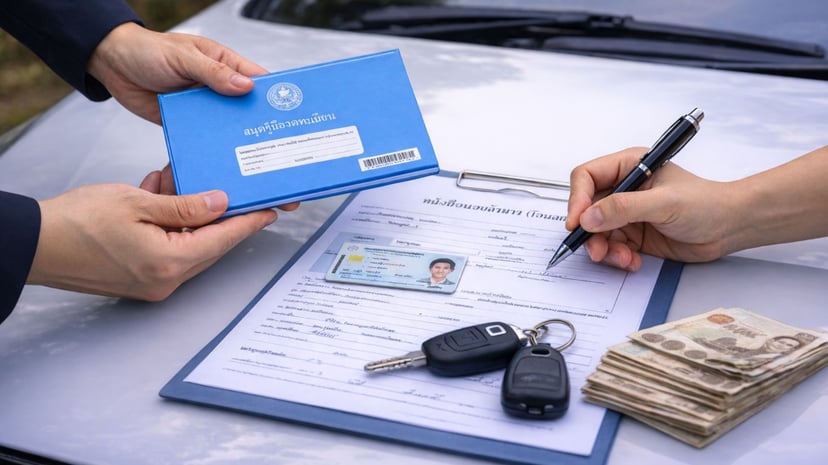
A Floating Transfer occurs when the seller signs the necessary transfer forms and hands over the vehicle’s registration book to the buyer without visiting the Department of Land Transport (DLT) together. The ownership status remains "floating" until the buyer (or a future third party) eventually completes the legal registration.
Essential Document Checklist
To ensure a valid transfer, the following documents must be prepared:
Original Vehicle Registration Book (Blue Book)
Transfer Request Form (Signed by the seller)
Power of Attorney Form
Copy of Seller’s ID Card (Must not be expired and must be signed)
Copy of Buyer’s ID Card
Sales Contract (Crucial for verifying the date of possession transfer)
Top 3 Risks of Floating Transfers
1. Expired Documents or Mismatched Signatures
The most frequent issue is when the seller’s ID card expires before the buyer gets around to registering the car. Additionally, if the signature doesn't match the DLT's records, the transfer will be rejected, forcing the buyer to track down the seller—who may be unreachable.
2. Legal Liability for the Seller
Since the legal name on the system is still the seller’s, any traffic fines, tolls, or even criminal activities involving the vehicle will result in summons being sent to the original owner’s address.
3. Un-transferable Vehicles
Buyers often discover too late that the car cannot be legally transferred due to chassis number discrepancies, illegal modifications, or court-ordered seizures.
Solutions and Prevention:
Specify Time of Sale: Always include the exact hour and minute of the car handover in the sales contract to clear yourself of any liabilities immediately following the sale.
Verify Vehicle Status: Use DLT online portals to check for outstanding taxes or blacklisted status before handing over cash.
Set a Deadline: Include a clause in the contract requiring the buyer to complete the official transfer within 15 to 30 days.
Digital Proof: Take photos of the seller with the vehicle and the signed documents as supplementary evidence.
FAQ: Floating Car Transfer (Thailand)
Is a floating transfer illegal?
A floating transfer is not directly illegal. However, it carries significant legal risks because the seller’s name remains on the vehicle registration. This means the seller may still be held responsible if any legal issues arise.
Is it necessary to report the sale after a floating transfer?
Yes, it is highly recommended. Reporting the sale to the Department of Land Transport helps protect the seller from future liabilities and serves as legal proof that the vehicle has been transferred.
What should I do if the buyer does not complete the transfer?
You should:
- Contact the buyer immediately
- File a sale notification with the Department of Land Transport
- Report the situation to the police (for record purposes)
- Keep all transaction documents as evidence
How long does a floating transfer take?
There is no fixed timeline. The process depends entirely on when the buyer completes the official transfer, which is one of the main risks of this method.
Is buying a car with a floating transfer risky?
Yes, it can be risky due to:
- Incomplete or invalid documents
- Inability to transfer ownership
- Existing legal or financial liabilities tied to the vehicle
What is the difference between a floating transfer and a standard transfer?
- Floating transfer: Ownership is not immediately updated; higher risk
- Standard transfer: Ownership is officially transferred at the Department of Land Transport; much safer
Can a floating transfer be canceled?
It is difficult to cancel once documents have been signed and handed over. However, you can reduce risk by reporting the sale and filing a police record.
Who is responsible if a car is lost after a floating transfer?
Legally, the registered owner may be investigated first. This is why having proper documentation of the sale is essential for protection.
What documents are required for a car ownership transfer?
Typically required documents include:
- Vehicle registration book
- Copy of ID card (buyer and seller)
- Power of attorney (if applicable)
- Transfer application form
What is the safest way to sell a car?
The safest method is for both buyer and seller to complete the ownership transfer together at the Department of Land Transport.
Want a car valuation? Contact us to get a free car valuation within 24 hours…