Ceramic film vs metallic film: what’s the difference and which one is better?
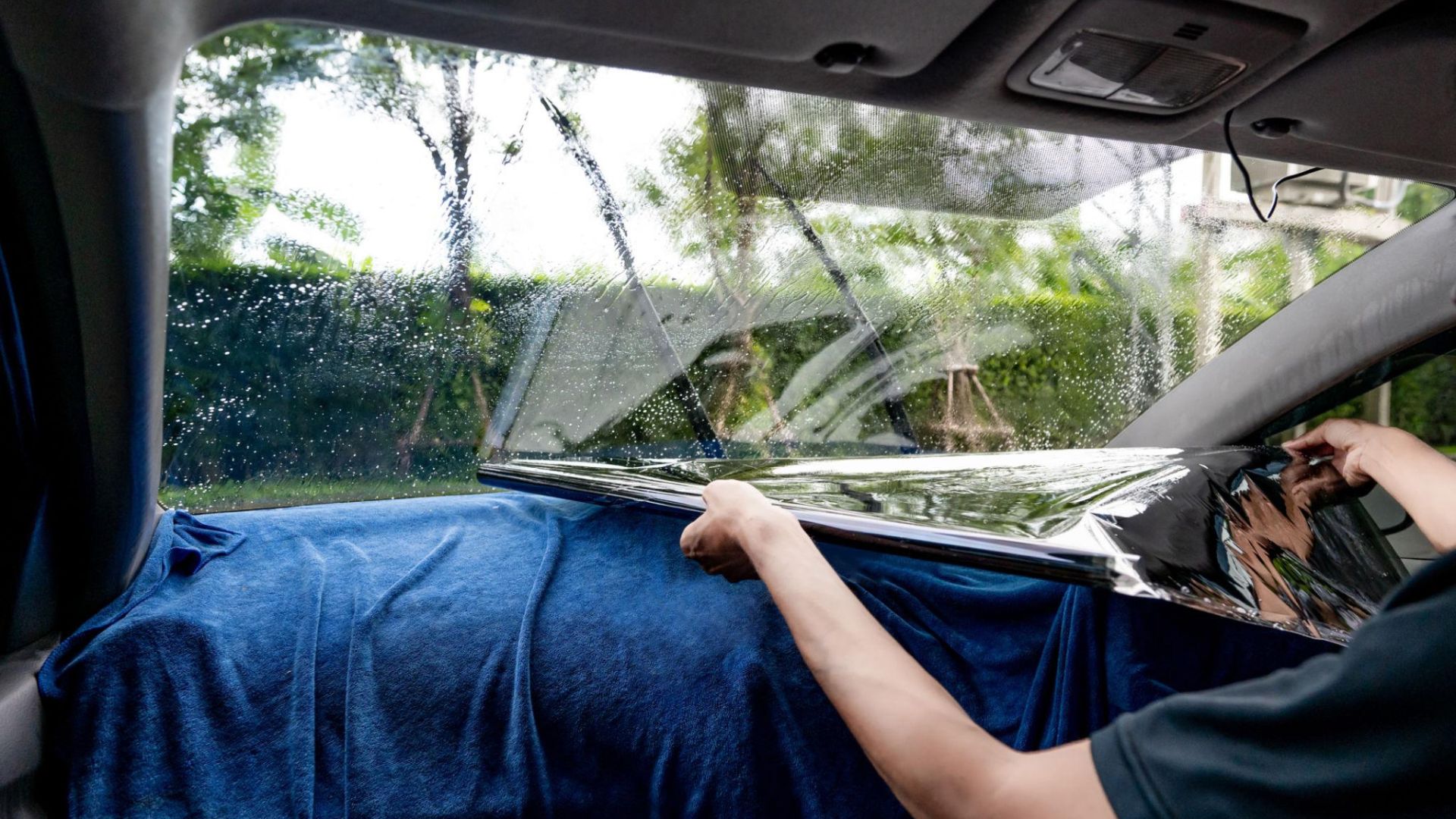
Ceramic film vs metallic film: what’s the difference and which one is better?
Choosing the right window tint for your car is no longer just about how dark it looks. Modern drivers care about heat rejection, driving visibility, signal compatibility, and long-term value. One of the most common questions today is: ceramic film vs metallic film—what’s the difference, and which one is better for automotive use?
What Is Ceramic Window Film?
Ceramic window film is an advanced tint technology that uses nano-ceramic particles to block heat and harmful radiation. Unlike traditional films, it contains no metal, which makes it highly compatible with modern vehicle systems.
The key strength of ceramic film lies in its ability to block infrared (IR) heat while maintaining excellent visibility and signal clarity.
Key Benefits of Ceramic Film
- Superior heat rejection, especially against infrared radiation
- Blocks up to 99% of harmful UV rays
- Does not interfere with GPS, mobile signals, Bluetooth, or toll systems
- Clear visibility both day and night
- Non-reflective appearance for a clean, modern look
Limitations
- Higher upfront cost compared to other film types
- Performance varies depending on brand quality and installation standards
What Is Metallic (Metalized) Window Film?
Metallic film, often referred to as metalized film, is made by embedding microscopic metal layers into the film. These metal particles reflect sunlight and reduce heat entering the vehicle.
This type of film was widely popular due to its affordability and reflective finish.
Key Benefits of Metallic Film
- More budget-friendly
- Provides moderate heat rejection
- Reflective surface enhances privacy
Limitations
- Can interfere with electronic signals (GPS, mobile, radio)
- Reflective glare may affect visibility, especially at night
- Shorter lifespan compared to ceramic films
- Performance may degrade over time
Ceramic vs Metallic Film: Side-by-Side Comparison
When comparing both options, the differences become clear across several important factors:
Heat Rejection
Ceramic film significantly outperforms metallic film, especially in blocking infrared heat, which is the main contributor to cabin temperature.
UV Protection
Both offer UV protection, but ceramic films typically reach up to 99%, making them more effective for skin and interior protection.
Signal Interference
Ceramic film has no impact on signals. Metallic film can disrupt GPS, mobile reception, and electronic toll systems due to its metal content.
Visibility and Driving Comfort
Ceramic film provides clearer, less distorted visibility. Metallic film may create glare or reflections, particularly at night.
Durability
Ceramic films generally last longer, often 5–10 years, while metallic films may degrade within 3–5 years.
Cost
Metallic film is more affordable upfront, while ceramic film requires a higher initial investment but offers better long-term value.
Which One Is Better for Cars?
The answer depends on your priorities, but for most modern drivers, ceramic film is the better choice.
Choose Ceramic Film If:
- You drive frequently or for long distances
- You want maximum heat reduction and comfort
- Your vehicle relies on GPS, sensors, or smart systems
- You own a newer car or electric vehicle
- You value long-term performance over upfront savings
Choose Metallic Film If:
- You are on a tight budget
- You use your car occasionally or for short trips
- You are less concerned about signal interference or glare
Key Factors to Consider Before Choosing
1. Focus on TSER and IRR, Not Just Darkness
Many people assume darker film equals better heat protection, which is not always true.
- TSER (Total Solar Energy Rejected): Measures total heat rejection performance
- IRR (Infrared Rejection): Indicates how well the film blocks infrared heat
Ceramic films typically have higher TSER and IRR values, making them more effective even at lighter shades.
2. Check Legal Tint Limits
Each country has regulations regarding visible light transmission (VLT). For example, front windshields often require higher light transmission for safety.
Choosing a film that complies with legal standards helps avoid fines and ensures safe driving conditions.
3. Installation Quality Matters
Even the best film can underperform if installed poorly. A professional installer ensures:
- No bubbles or peeling
- Proper adhesion and longevity
- Full performance of the film’s technology
Conclusion: Ceramic vs Metallic Film
If you are looking for the best overall performance, ceramic film is the clear winner. It offers superior heat rejection, better visibility, no signal interference, and longer durability.
Metallic film, while more affordable, comes with trade-offs that may affect comfort and usability—especially in modern vehicles that rely heavily on electronic systems.
As of 2026, the trend in the automotive industry is shifting strongly toward ceramic window films due to their advanced technology and long-term value.
FAQ: Ceramic Tint vs Metallic (Reflective) Tint – What’s the Difference and Which Is Better?
1. What is the difference between ceramic tint and metallic (reflective) tint?
Ceramic tint is made from non-metallic nano-ceramic particles, offering strong heat rejection without interfering with signals. Metallic (reflective) tint uses metal layers to reflect heat and light, but it can cause signal interference and higher glare.
2. Which tint provides better heat rejection?
Ceramic tint generally performs better at blocking heat, especially infrared (IR) and UV rays. Metallic tint reflects heat, but its performance may decline over time compared to ceramic technology.
3. Does ceramic tint affect GPS or mobile signals?
No. Ceramic tint does not interfere with signals because it contains no metal. Metallic tint, however, can weaken signals such as GPS, mobile reception, Bluetooth, and toll tags (Easy Pass).
4. Which type of tint is more durable?
Ceramic tint is typically more durable and long-lasting:
- Less fading over time
- Better color stability
Metallic tint may degrade, leading to discoloration or increased reflectivity.
5. Is metallic tint harmful or distracting to other drivers?
Metallic tint has higher reflectivity, which can cause glare and potentially disturb other drivers, especially at night. Ceramic tint offers a more balanced and comfortable visibility.
6. Is ceramic tint more expensive?
Yes. Ceramic tint is generally more expensive due to:
- Advanced technology
- Superior heat rejection
- Longer lifespan
Metallic tint is more budget-friendly but comes with trade-offs.
7. Which tint is better for hot climates like Thailand?
Ceramic tint is the better choice because:
- It blocks heat more effectively
- It does not create excessive glare
- It works well with modern vehicle electronics
8. Is metallic tint still worth using in 2026?
It can still be used, but its popularity is declining due to:
- Signal interference issues
- Older technology
- Less compatibility with modern cars
9. What key specifications should I consider when choosing window tint?
Look for these values:
- IRR (Infrared Rejection): Heat blocking performance
- UVR (UV Rejection): UV protection
- VLT (Visible Light Transmission): Tint darkness
- TSER (Total Solar Energy Rejection): Overall heat rejection
10. Which one should I choose: ceramic or metallic tint?
- Choose ceramic tint for better performance, comfort, and long-term value
- Choose metallic tint if you are on a tighter budget and need basic heat reflection
Want a car valuation? Contact us to get a free car valuation within 24 hours…