Old car trade-in policy: a strategic economic stimulus with real consumer impact
Old car trade-in policy: a strategic economic stimulus with real consumer impact
As Thailand navigates economic recovery amid fluctuating consumer confidence, rising household debt, and global uncertainty, policymakers are turning to targeted stimulus measures. One policy gaining significant attention is the “Old Car Trade-In” program, designed to boost domestic spending, modernize the vehicle fleet, and accelerate the transition to cleaner transportation.
What Is the Old Car Trade-In Policy?
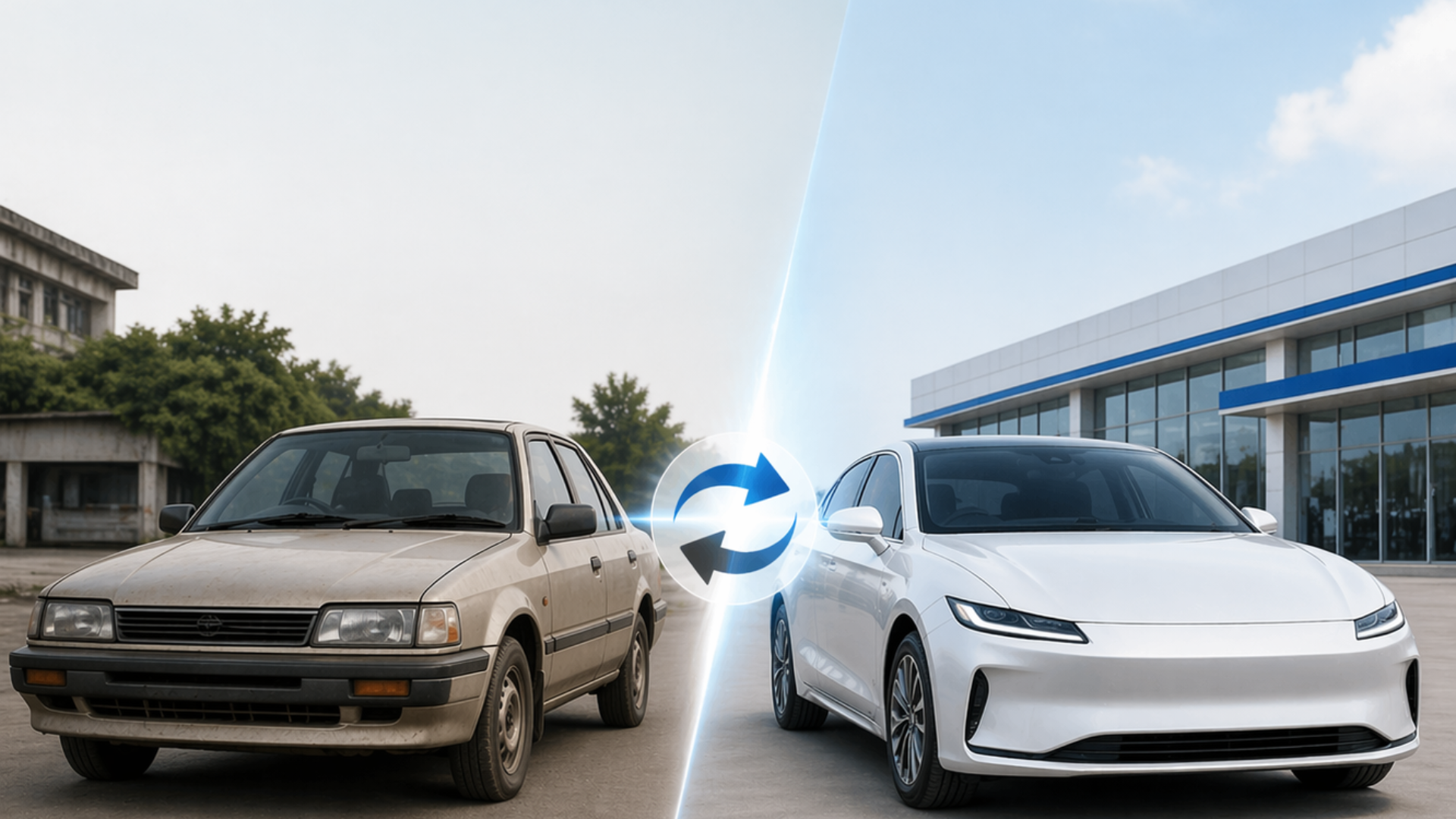
The Old Car Trade-In policy is a government-backed initiative that incentivizes car owners to replace aging vehicles with newer, more efficient models. In exchange for scrapping an old car—typically over 10–15 years old—participants receive financial benefits such as:
- Tax deductions or rebates
- Direct subsidies or cash incentives
- Low-interest financing options
- Manufacturer or dealer discounts
The primary objective is to stimulate auto sales while reducing the number of high-emission vehicles on the road.
Why This Policy Matters for the Economy
1. Stimulating Consumer Spending
Purchasing a new car is a high-value transaction. By lowering the financial barrier, the program encourages households to spend, injecting liquidity into the economy. This multiplier effect supports related industries such as financing, insurance, and manufacturing.
2. Revitalizing the Automotive Sector
Thailand’s automotive industry is a key economic pillar. Trade-in schemes help:
- Increase vehicle production
- Support supply chains and SMEs
- Preserve jobs across manufacturing and sales
In a slow market, such policies can significantly boost demand.
3. Environmental and Public Health Benefits
Older vehicles often lack modern emission controls. Replacing them with newer models—especially EVs or hybrids—reduces:
- Air pollution (PM2.5, NOx)
- Fuel consumption
- Urban environmental strain
This aligns with Thailand’s broader sustainability and carbon reduction goals.
Who Benefits from the Program?
Consumers
- Lower upfront cost for new vehicles
- Reduced maintenance and repair expenses
- Access to advanced safety and smart technologies
Businesses
- Increased vehicle sales and inventory turnover
- Opportunities for promotional campaigns
- Stronger competition leading to better deals for buyers
Government
- Higher tax revenues from new purchases
- Reduced environmental mitigation costs
- GDP growth through increased economic activity
Typical Eligibility Criteria
While specifics vary by implementation phase, common requirements include:
- Ownership of a vehicle older than 10–15 years
- Valid registration and legal ownership documents
- Mandatory scrapping through certified facilities
- Purchase of a new vehicle within a defined timeframe
These conditions ensure transparency and prevent misuse of the program.
Integration with Electric Vehicle (EV) Adoption
A key evolution of the trade-in policy is its alignment with EV promotion strategies. Governments may offer additional incentives for choosing electric vehicles, such as:
- Extra subsidies for EV purchases
- Reduced import duties or excise taxes
- Charging infrastructure support
This dual approach accelerates the transition toward a green economy while maintaining economic momentum.
Important Considerations Before Participating
Despite its appeal, the program is not universally beneficial. Consumers should evaluate:
- Total cost of ownership (loan payments, insurance, maintenance)
- Whether a new vehicle is genuinely necessary
- Trade-in value versus market resale value of the old car
- Long-term financial stability
A well-informed decision ensures that short-term incentives do not lead to long-term financial strain.
Conclusion
The Old Car Trade-In policy is more than a short-term economic stimulus—it’s a strategic initiative that connects consumer incentives with industrial growth and environmental responsibility. When implemented effectively, it can drive sustainable economic recovery while modernizing transportation infrastructure.
For consumers, the key lies in balancing opportunity with practicality. For policymakers, success depends on transparency, accessibility, and alignment with long-term sustainability goals.
FAQ: Old Car Trade-In Policy
1: What types of vehicles qualify?
Typically, vehicles older than 10 years with complete documentation qualify. Exact criteria depend on government guidelines.
2: How much incentive can I receive?
Incentives vary but may range from hundreds to thousands of dollars in tax benefits or discounts, depending on the vehicle type and policy phase.
3: Is scrapping mandatory?
Yes, most programs require the old vehicle to be scrapped through authorized channels to prevent reuse and reduce emissions.
4: Can I use the program for used cars?
Generally, the policy applies to new vehicle purchases from authorized dealers.
5: Is it financially worth it?
It depends. If your current vehicle has high maintenance costs, upgrading may offer long-term savings. However, careful financial planning is essential.
Want a car valuation? Contact us to get a free car valuation within 24 hours…