EV confidence crisis? analyzing BYD and GWM strategies when “affordability” is no longer the only selling point
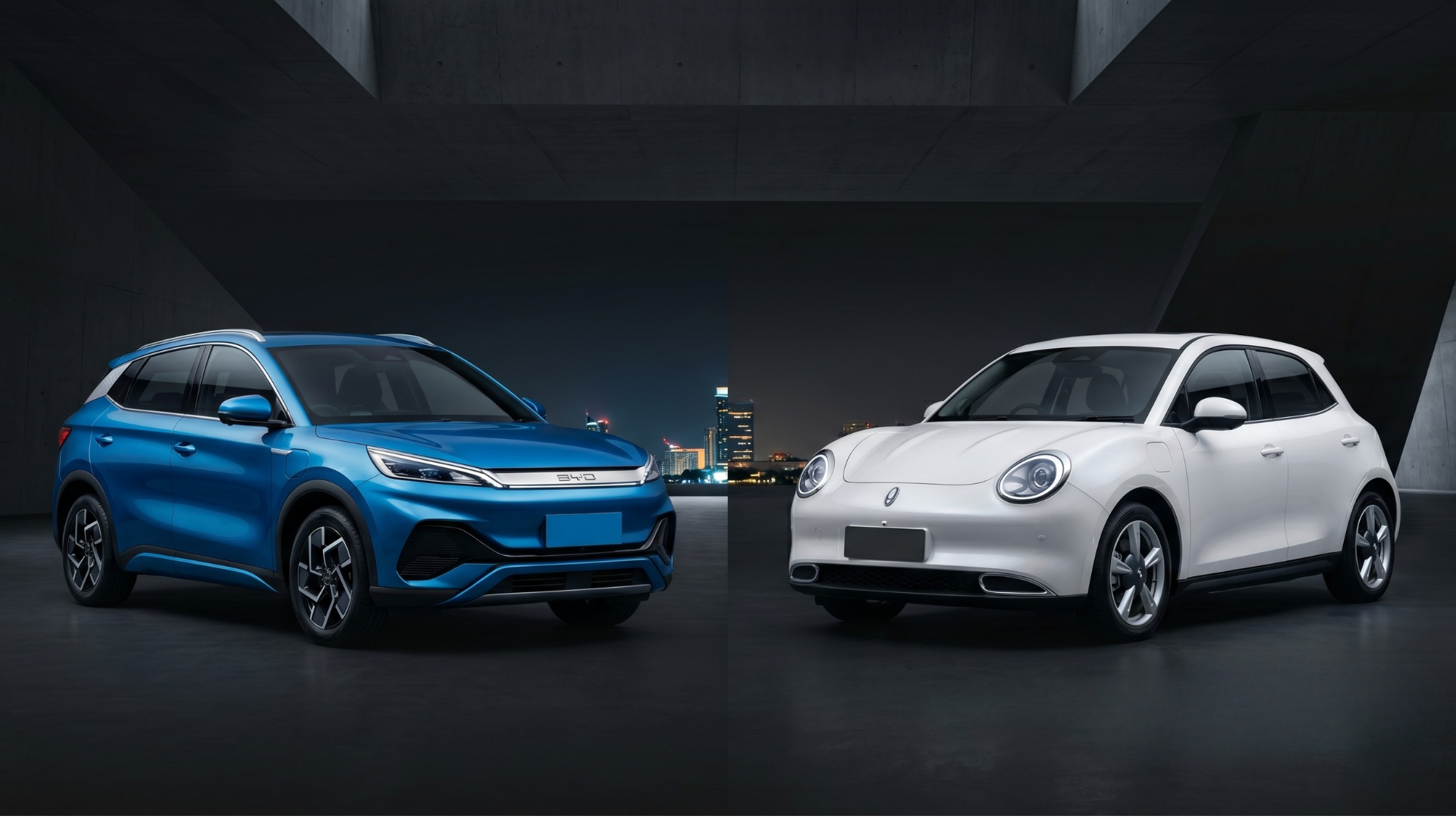
EV confidence crisis? analyzing BYD and GWM strategies when “affordability” is no longer the only selling point
Over the past few years, electric vehicles (EVs) have experienced rapid growth across global markets—especially in Southeast Asia. Thailand, in particular, has become a key battleground for EV adoption, driven by government incentives and aggressive pricing strategies from Chinese automakers.
However, entering 2025–2026, a new narrative is emerging: what many analysts are calling an “EV confidence crisis.” This doesn’t signal a collapse in demand—but rather a shift in how consumers evaluate EVs.
The critical question now is: When affordability is no longer enough, how are brands like BYD and GWM adapting their strategies?
What Is the “EV Confidence Crisis”?
The term refers to growing consumer hesitation—not rejection—toward EV adoption. Key concerns include:
- Resale value uncertainty
- Rapid evolution of battery technology
- Perception gaps between “low price” and “long-term value”
- Ongoing price wars among EV brands
Today’s buyers are asking smarter questions: “Will this EV still be worth it in 3–5 years?”
This shift reflects a more mature market where emotional excitement is being replaced by rational evaluation.
From “Low Cost” to “Total Value Proposition”
In the early phase of EV adoption, brands relied heavily on:
- Lower fuel costs
- Reduced maintenance
- Government subsidies
But in 2026, price is no longer a differentiator—it’s a baseline expectation.
Modern EV buyers now prioritize:
- Software capabilities (OTA updates)
- Battery safety and durability
- Charging ecosystem and infrastructure
- After-sales service quality
- Brand trust and long-term reliability
This transition marks a move from price competition → value competition.
BYD Strategy: Vertical Integration and Technology Trust
BYD has emerged as a dominant force not just because of affordability—but because of its deep control over technology.
1. Vertical Integration Advantage
BYD manufactures key components in-house, including:
- Blade Battery
- Electric motors
- Semiconductors
This allows BYD to:
- Control costs efficiently
- Ensure consistent quality
- Reduce supply chain risks
2. Battery Safety as a Core Message
BYD heavily markets its Blade Battery as:
- Safer under extreme conditions
- More resistant to thermal runaway
This directly addresses one of the biggest psychological barriers for EV buyers: fear of battery fires.
3. Repositioning: From Budget Brand to Tech Leader
BYD is actively shifting its image:
- From “affordable EV”
- To “smart mobility and technology brand”
With improved design, smarter features, and premium touches, BYD is building brand equity beyond price.
GWM Strategy: Flexibility and Customer-Centric Branding
Unlike BYD, GWM (Great Wall Motor) is not going “all-in” on EVs—and that’s intentional.
1. Multi-Powertrain Strategy
GWM invests across multiple technologies:
- HEV (Hybrid Electric Vehicles)
- PHEV (Plug-in Hybrid)
- BEV (Battery Electric Vehicles)
This approach:
- Reduces dependency on EV-only demand
- Appeals to consumers at different adoption stages
- Mitigates market volatility
2. Clear Brand Positioning
GWM uses sub-brands effectively:
- ORA → Lifestyle-focused EVs
- HAVAL → Family SUVs
This segmentation helps consumers quickly understand product identity—enhancing brand clarity and trust.
3. Focus on Customer Experience
GWM invests heavily in:
- Showroom experience
- After-sales service
- Brand communities
Rather than competing purely on specs or price, GWM builds long-term relationships, aligning with E-E-A-T principles of trust and experience.
Why Price Wars Are No Longer Sustainable
While price cuts can drive short-term sales, they often:
- Damage brand perception
- Lower resale values
- Train consumers to “wait for discounts”
Both BYD and GWM are now shifting toward: Sustainable differentiation through value, not price alone.
EV Market Trends and Beyond
Looking ahead, several key trends are shaping the EV landscape:
- More informed consumers
- Increased importance of brand trust ecosystems
- Battery innovation as a key differentiator
- After-sales service becoming a critical decision factor
- Integration of software and AI in EV experiences
FAQ: EV Confidence Crisis Explained
1: Does the EV confidence crisis mean EVs are a bad investment?
No. It means buyers are becoming more selective and informed—not less interested.
2: Is BYD still a reliable brand?
Yes. Its vertical integration and battery innovation strengthen its long-term reliability and credibility.
3: Why isn’t GWM focusing only on EVs?
Because it’s hedging risk and serving a broader customer base with hybrid and transitional technologies.
4: Will EV prices continue to drop?
Possibly—but price is no longer the primary factor influencing purchase decisions.
5: What should buyers prioritize?
Focus on:
- Brand trust
- Battery technology
- After-sales support
- Ecosystem and usability
Conclusion
The so-called “EV confidence crisis” is not a setback—it’s a sign of market maturity.
The industry is evolving from:
- Price-driven adoption
→ to - Trust and value-driven decision-making
BYD is leveraging technology and vertical integration to build confidence at scale. GWM, on the other hand, is focusing on flexibility and customer experience to win long-term loyalty.
In this new era, the winners won’t be the cheapest brands—but the ones consumers trust the most.
Want a car valuation? Contact us to get a free car valuation within 24 hours…