McLaren’s McL 6GT is a glimpse into the marque's future, while the 788HS bows out with a bang.
 McLaren’s McL 6GT previews a new generation of exclusive and bespoke offerings, while the 788HS delivers an uncompromised farewell to the acclaimed 720S series.

McLaren Automotive has unveiled its latest concept, the McL 6GT, at Monterey Car Week 2026 in the United States, offering a glimpse into the future direction of the British supercar marque. The concept embraces a lightweight construction, an authentic manual gearbox and a driver-focused approach centred on the pure experience of driving.
The McL 6GT joins a growing group of modern performance cars that are placing renewed emphasis on driving engagement and design purity. Like Gordon Murray’s T.50, Porsche’s limited-production manual GT models and Ferrari’s somewhat controversial 12Cilindri Manuale, McLaren is bringing the H-pattern manual gearbox back into focus for the first time since the legendary McLaren F1 in 1992, while also paying homage to the original M6GT road car.
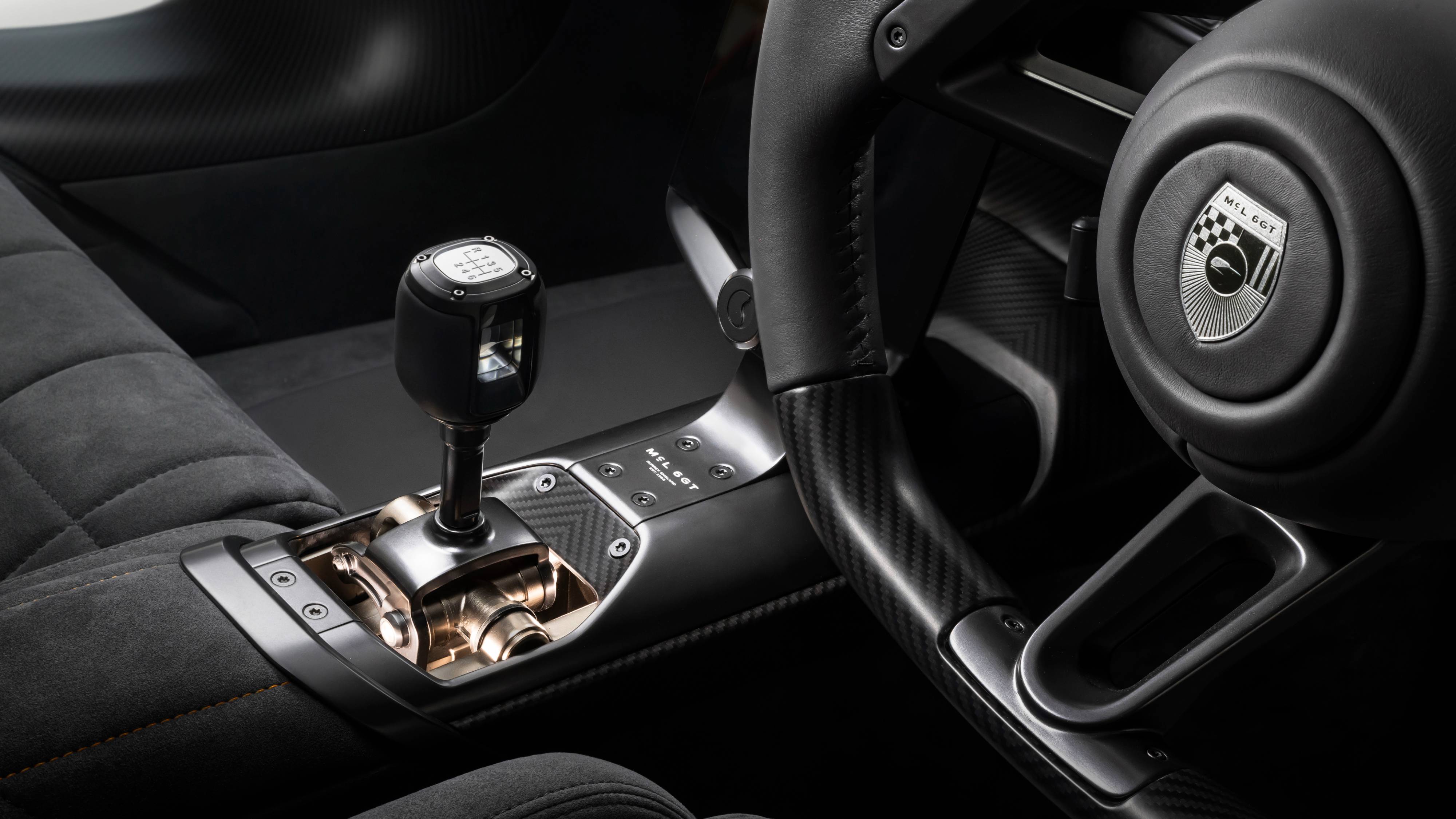 McLaren returns to the manual gearbox after 34 years.
With the McL 6GT, McLaren is preparing to expand its supercar portfolio with more exclusive and highly limited offerings beyond its core model range.
The concept features an ‘authentic manual transmission’, marking the first time McLaren has offered a manual gearbox in a road car since the launch of the McLaren F1 in 1992.
Rather than focusing purely on outright performance figures, the McL 6GT has been developed around driver engagement, placing the connection between driver and machine at the heart of the experience.
Hydraulic steering, tactile switchgear and knurled, machined-aluminium controls contribute to a mechanical and analogue driving experience. At its heart is an all-new mid-mounted V8 designed to deliver an engaging and responsive character.
The gearshift assembly has also received particular attention, with McLaren focusing on the feel and throw of the lever while incorporating a three-dimensional Speedy Kiwi motif into its upright design.

Earlier this year, McLaren Special Operations (MSO) was tasked with bringing Bruce McLaren’s original vision for a road-going version of the M6GT to life. The result was a one-off built for the Goodwood Festival of Speed, meticulously recreating a period-correct interpretation of Bruce McLaren’s original blueprints. That project provided key inspiration for the new McL 6GT.
The McL 6GT sits exceptionally low and wide, with clean bodywork flowing from its low nose towards a distinctive Kammback tail. Its design draws inspiration from the M6A Can-Am racer, which served as the basis for Bruce McLaren’s original M6GT road car.
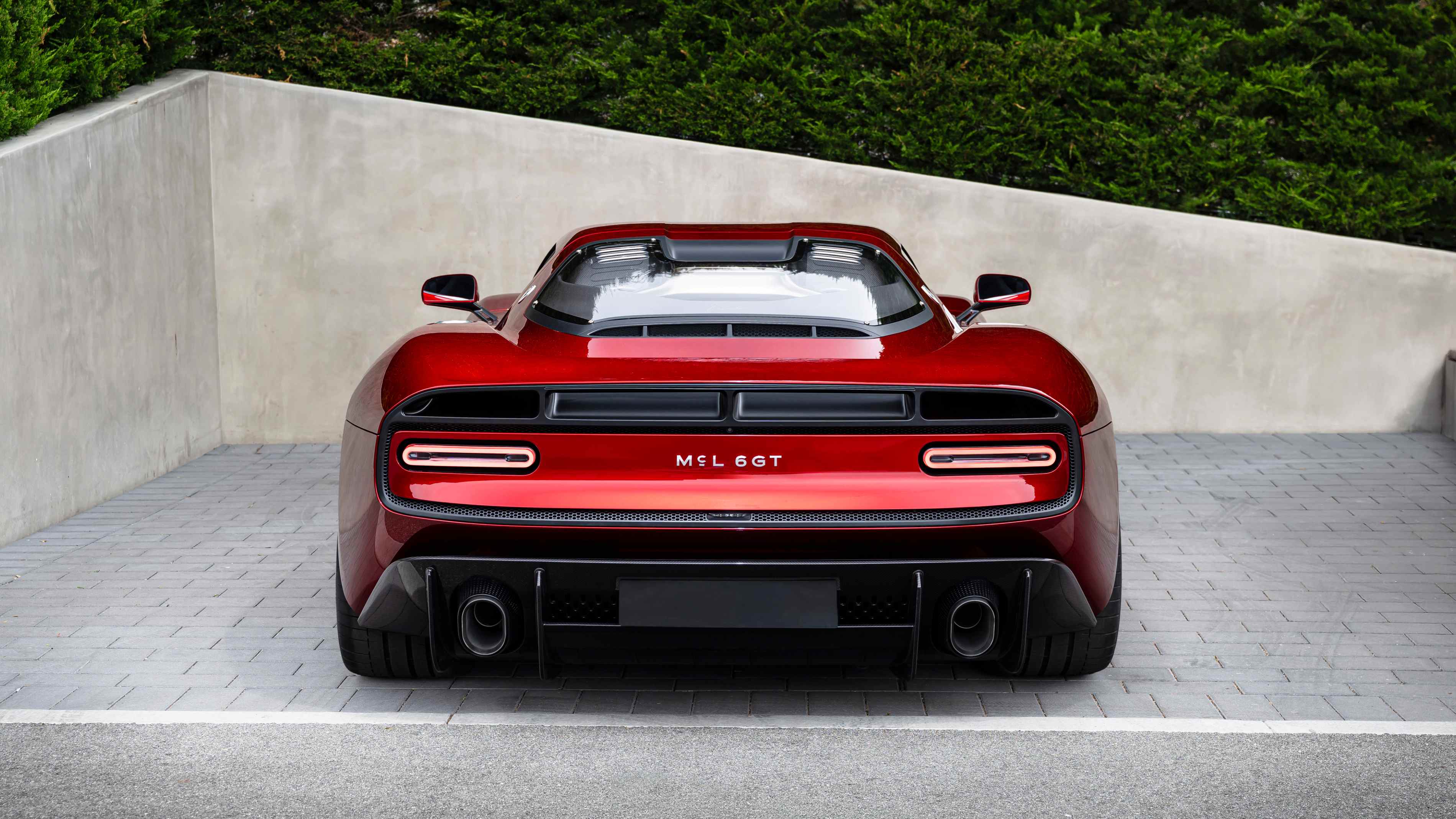 Heritage details include Racing Loop motifs inspired by the original M6GT’s tail lamps, Bruce McLaren’s signature in the engine bay and a Speedy Kiwi emblem etched into the fuel filler cap.
McLaren’s modern lightweight philosophy remains central to the concept, with a carbon-fibre body wrapped around a fully carbon-fibre monocoque structure to maximise rigidity while keeping weight under control.
McLaren says the McL 6GT concept previews a production model that is due to arrive in 2028, where it will serve as a halo model for the brand.
McLaren 788HS signals the end of 720S lineage.
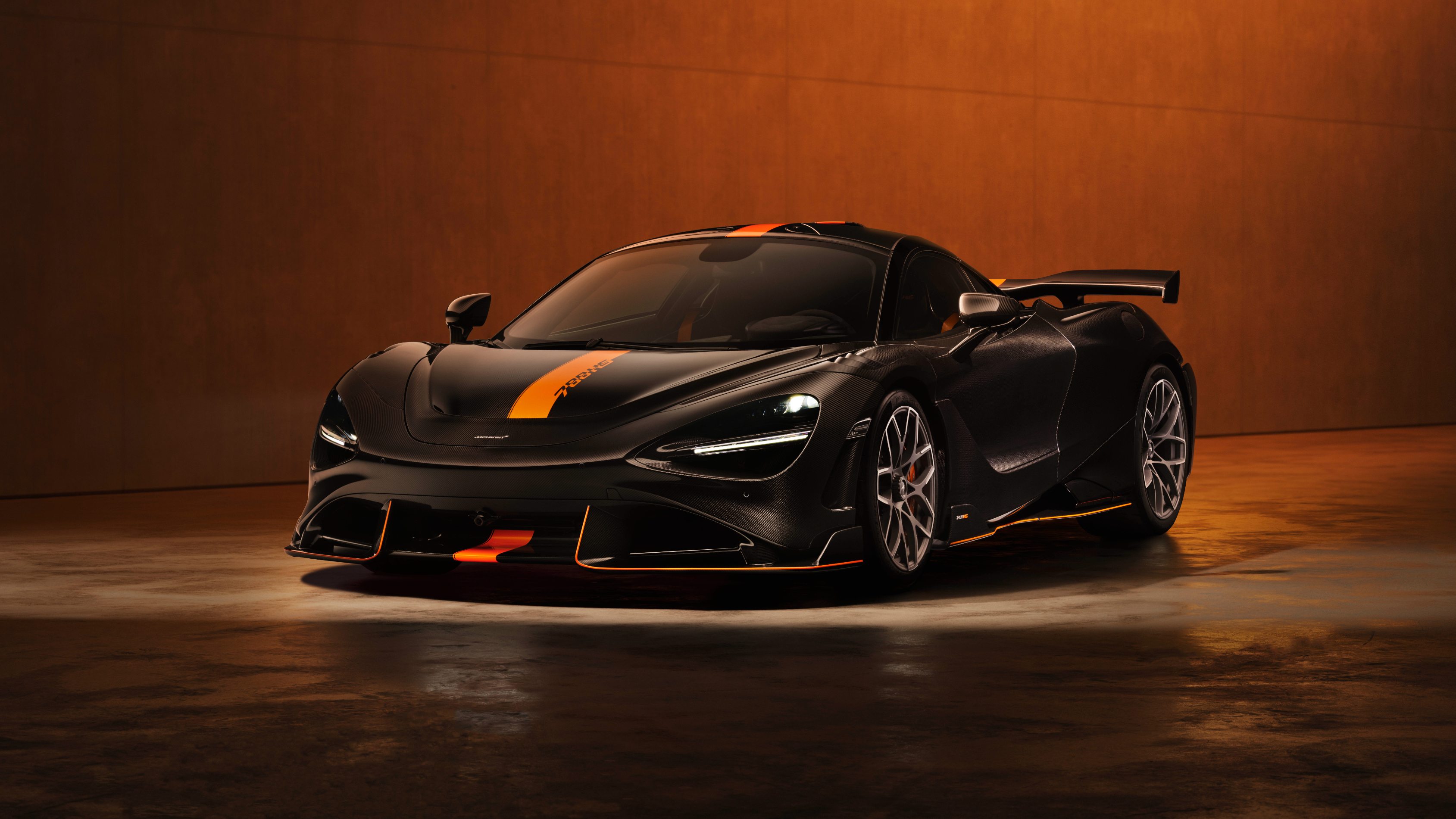 While the McL 6GT points towards McLaren’s future, the 788HS serves as the final chapter for one of the marque’s most celebrated modern supercar families.
The 788HS represents the ultimate and final evolution of the lineage that began with the 720S in 2017, before progressing through the 765LT and 750S.
 Production of the McLaren 788HS will be limited to just 200 examples worldwide, split equally between Coupe and Spider variants. The High Sport or HS designation is reserved for some of McLaren’s most special models, having previously appeared on the MP4-12C HS and the MSO HS based on the 675LT.
Power comes from a 4.0-litre twin-turbocharged V8 producing 788PS and 800Nm of torque. With a dry weight of just 1,265kg, the 788HS achieves a power-to-weight ratio of 623PS per tonne – the highest figure recorded among the 720S, 750S and 765LT family.
McLaren claims the 788HS can accelerate from 0–100km/h in just 2.8 seconds and reach a top speed of 330km/h.
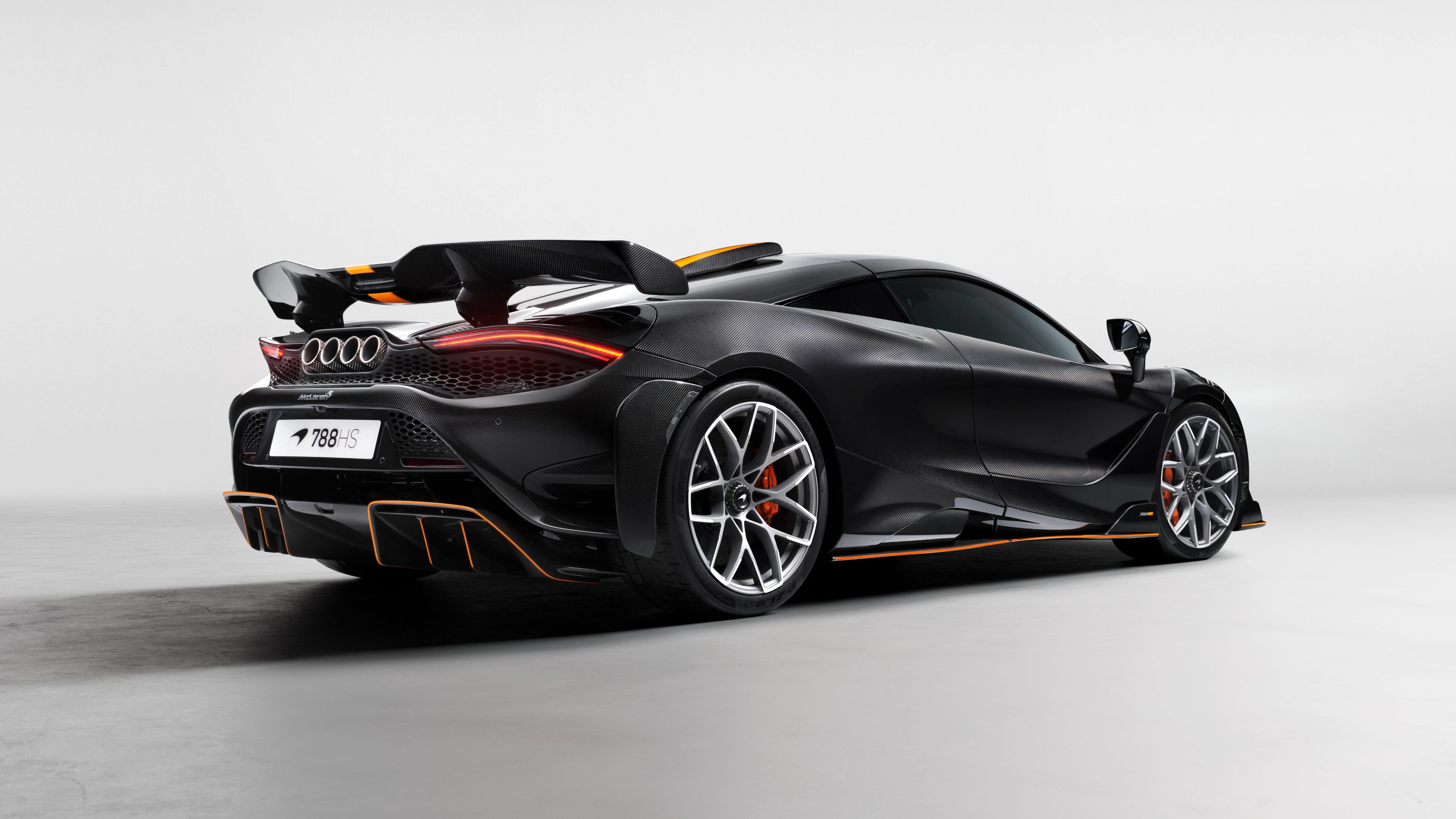
An advanced carbon-fibre aerodynamic package includes a multi-zone front splitter, S-Duct bonnet, raised active rear spoiler and a Formula 1-inspired diffuser. Together, these features generate 10 per cent more downforce than the 765LT, helping to deliver sharper handling and greater high-speed stability.
The 788HS also receives bespoke suspension tuning, carbon-ceramic brakes derived from the McLaren Senna and the first centre-lock wheel system fitted to this supercar family.
For Thailand, the McLaren 788HS is expected to arrive in the Southeast Asian markets of Singapore, Malaysia, Thailand and Vietnam in 2027.
Want a car valuation? Contact us to get a free car valuation within 24 hours…