Surging oil prices? Deep dive into causes and survival strategies for drivers
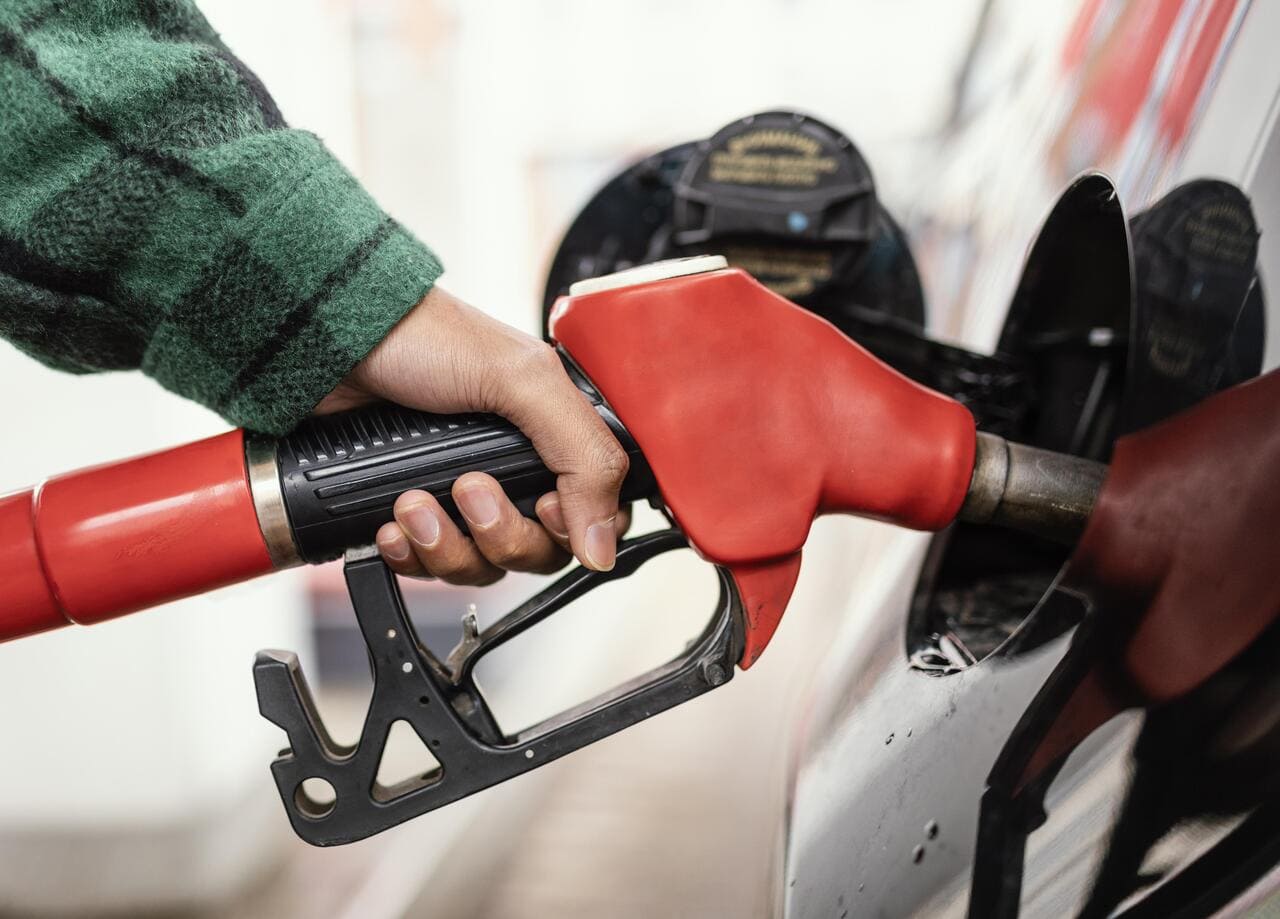
Let's uncover the real reasons behind expensive oil and learn how you can adapt and save money on your daily drive.
The problem of continuously rising oil prices has become a heavy burden that directly impacts the cost of living for all Thai people. Whether you are a personal car user or a transport operator, many are likely asking: What factors are driving up Thai oil prices every single day? When will current oil prices have a chance to decrease? And if the situation returns to normal, how much will oil prices actually drop?
This article will take you through an in-depth look at price structures, analyze global market factors, and offer practical techniques for drivers to effectively navigate the energy crisis.
A Deep Dive into the Causes: Why Are Oil Prices Rising?
The primary factors pushing oil prices upward stem mainly from external international situations. Since Thailand must import 80–90% of its total crude oil consumption, foreign oil prices directly impact retail prices at domestic gas stations.
If you follow economic news closely, you will find that the key drivers pushing oil prices higher include:
- Geopolitical Conflict Crises: Particularly oil prices during times of war and unrest in the Middle East, as well as tensions among major oil-exporting nations. These issues disrupt supply chains and maritime crude oil transport, raising concerns over oil shortages.
- OPEC+ Production Cut Policies: The group of oil-exporting countries continues to control global crude oil production volume to support market prices, resulting in consistently tight supply.
- Exchange Rate Volatility: The depreciation of the Thai Baht against the US Dollar automatically inflates crude oil import costs, even when global crude oil prices remain stable.
- Tax Structure and Fuel Oil Fund: The structure of Thai oil prices consists of excise tax, municipal tax, VAT, and contributions to the Fuel Oil Fund to compensate for accumulated debts from previous price subsidies.
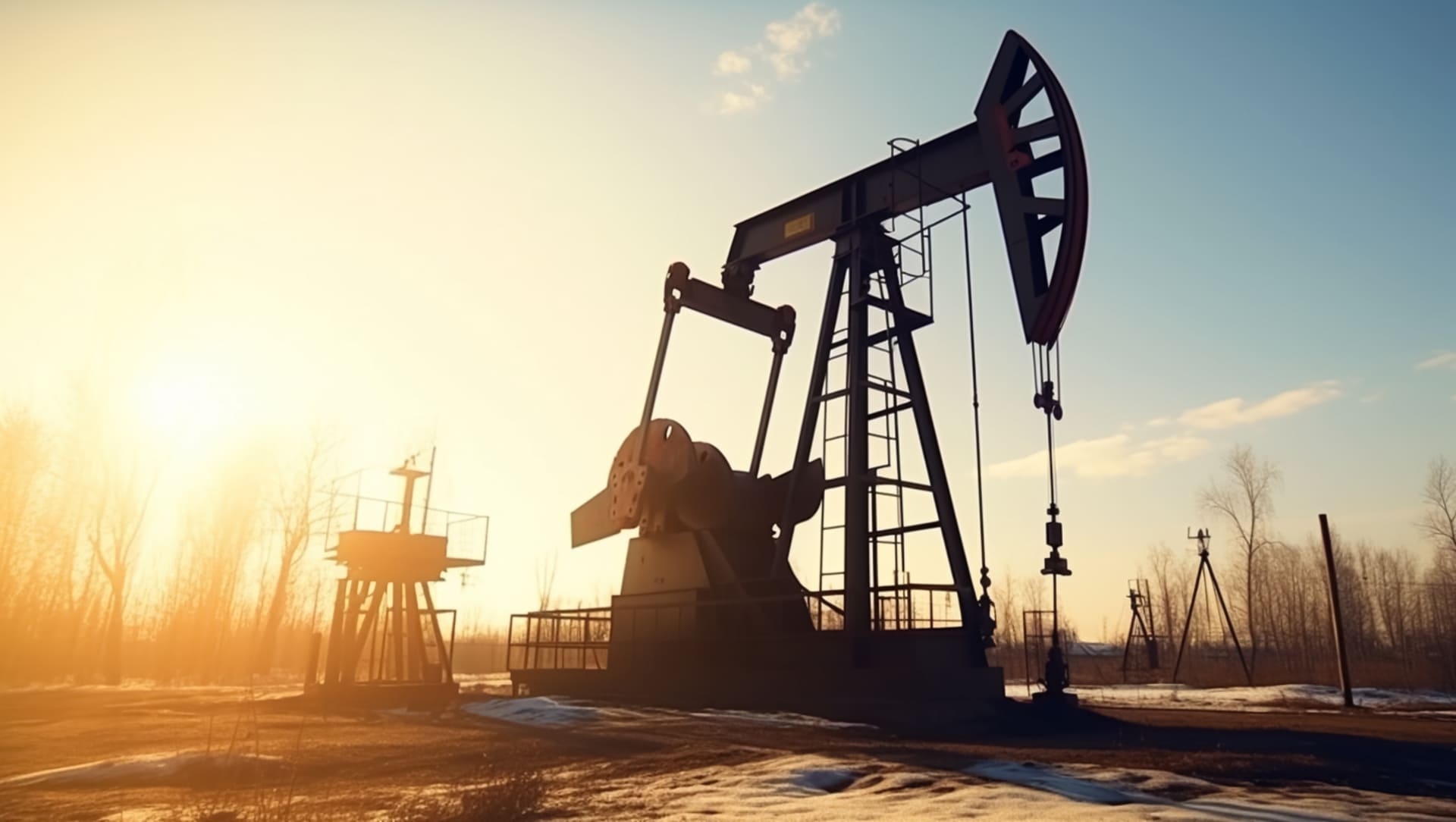
Will Oil Prices Keep Rising? When Will They Drop?
A common question among drivers is: Will oil prices go up again? On which day will oil prices drop? The answer primarily depends on global oil market directions and government management.
In the short term, oil price movements remain highly volatile as geopolitical tensions have yet to fully resolve. Analyzing the timeframe for potential price drops can be observed through these signals:
- International Political Signals: If tensions in oil-producing regions ease, oil supply will return to normal, relieving pressure on global oil prices.
- Shifts in OPEC+ Resolutions: If OPEC+ decides to increase market production capacity, international oil prices will adjust downward rapidly.
- Recovery of the Fuel Oil Fund's Status: Once Thailand's Fuel Oil Fund reduces its debt burden, the government can lower the fund contribution rate, leading to a corresponding drop in domestic retail prices.
If the Situation Returns to Normal, Will Oil Prices Get Much Cheaper?
Many people expect that if global conditions normalize, currently high oil prices will plummet quickly. In reality, the reduction in Thai oil prices may not be as steep as expected. The pricing mechanism under normal conditions is controlled by several factors:
- Accelerated Fuel Oil Fund Debt Repayment: Even if global crude oil prices fall significantly, the government may need to maintain retail prices at a certain level to use the margin to accelerate liquidity recovery and repay the fund's accumulated debt.
- New Energy Structure Policies: The government may adjust excise tax proportions for crops or provide additional support for clean energy. This may result in reasonable retail price reductions, though prices may not return to the cheap levels of the past.
- Refining Mechanism Adjustments: Refining margins and station marketing margins remain fixed costs, tending to keep retail prices settled at a new baseline.
How Should Drivers Adapt in an Era of Expensive Fuel?
Amid ongoing price uncertainties, waiting solely for prices to drop may not be timely enough. Drivers must proactively adapt and adjust their habits to reduce daily expenses. Immediate actionable steps include:
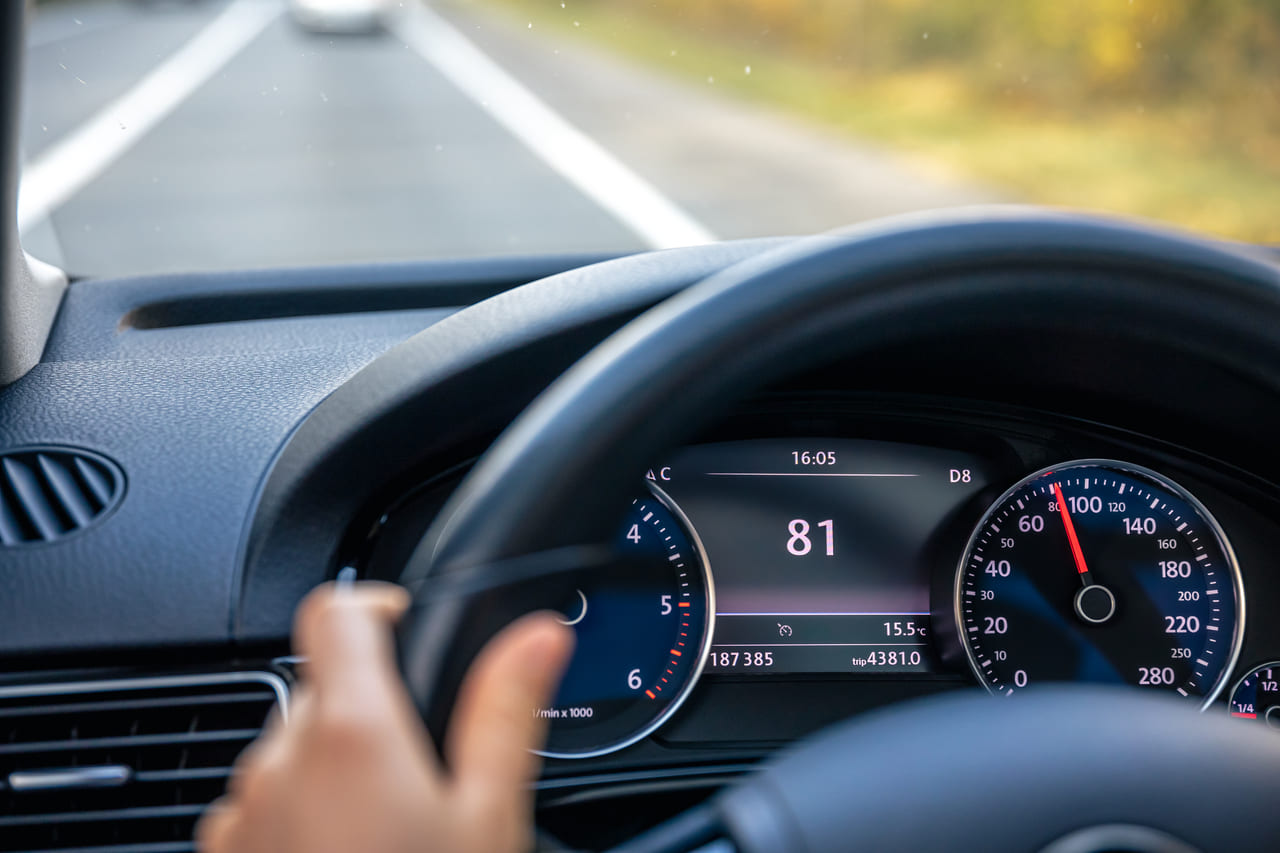
- Adopt Eco-Driving Habits: Accelerate smoothly, avoid unnecessary overtaking, and maintain a constant speed of 80–90 km/h, which is the most fuel-efficient range for engines.
- Strictly Follow Vehicle Maintenance Schedules: Always check tire pressure against standard recommendations, as underinflated tires increase fuel consumption. Change engine oil and air filters on schedule.
- Plan Routes Before Traveling: Use navigation apps to avoid traffic jams, or combine multiple errands into a single trip to reduce driving distance and engine operating time.
- Plan Finances and Vehicle Selection: Compare daily fuel prices and consider cost-effective fuel types, such as Gasohol E20, or plan a long-term transition to electric vehicles (EVs).
Oil Price Summary and the Ultimate Car Management Helper
The current volatile and elevated oil price situation stems from interconnected factors, including global crude oil prices, geopolitical issues, and domestic Fuel Oil Fund contribution structures. Although we cannot control retail pump prices, we can smartly manage car-related expenses to reduce our overall financial burden.
If you are looking for a comprehensive vehicle management assistant, consider Motorist, a leading automotive assistance platform. It offers free, no-obligation second-hand car valuation services to help you get the best price, car insurance renewal services, policy comparisons from top companies, and daily updated fuel prices—helping you plan your automotive expenses accurately and cost-effectively in any situation.
Frequently Asked Questions About Fuel Prices (FAQs)
1. Why is fuel in Thailand more expensive than in some ASEAN countries?
Because each country has different tax structures and energy subsidy policies. Some countries heavily subsidize prices, whereas Thailand levies taxes and requires contributions to the Fuel Oil Fund.
2. Where can I check today's fuel prices?
You can track prices via the Energy Policy and Planning Office (EPPO) website, various gas station operator applications, or the Motorist website.
3. When global crude oil prices drop, why don't Thai pump prices drop immediately?
Because price adjustments in Thailand are based on the average refined oil prices in the Singapore market, as well as the government's management of the Fuel Oil Fund.
4. What is the marketing margin, and how much does it affect fuel prices?
The marketing margin is the difference between wholesale and retail prices, serving as revenue for gas stations to manage operational costs like transport and staff. It typically ranges from 1.50 to 2.00 Baht per liter.
5. Does filling up with higher-octane fuel actually save gas?
Not necessarily. You should select the octane rating recommended in your vehicle's manual. Using a higher octane than necessary does not yield significant fuel savings.
6. Which consumes more fuel: driving with windows down or driving with the air conditioning on?
When driving at high speeds, open windows create aerodynamic drag, consuming more fuel than running the AC. At low speeds in city traffic, turning off the AC helps save more fuel.
7. Does choosing E20 fuel really save money?
It helps save money because its price per liter is lower than Gasohol 95 and 91. Although it burns slightly faster, it remains more cost-effective overall.
8. How much cheaper is an electric vehicle (EV) compared to a gas-powered car?
On average, electricity costs for charging an EV are about 2 to 3 times cheaper than fuel costs over the same distance.
9. How often should I check tire pressure to save fuel?
You should check tire pressure at least 1–2 times a month, as underinflated tires increase rolling resistance and fuel consumption.
10. How should I start if I want to sell my old car to buy an EV?
You can start by getting a free valuation for your current vehicle via Motorist to secure a good price, making it easier to plan your new vehicle purchase.
Want a car valuation? Contact us to get a free car valuation within 24 hours…